Kubernetes gets new purpose running autonomous AI agents, Google donates open-source tools
Google is repositioning Kubernetes as the platform for enterprise agentic AI workloads, donating foundational open-source projects to the Cloud Native Computing Foundation to help orchestrate autonomous software more efficiently.

Agentic AI workloads are giving Kubernetes a fresh role in enterprise technology. Once viewed as dependable yet unremarkable, the container orchestrator has become central to how organizations intend to deploy autonomous software systems.
Earlier infrastructure transitions—from bare metal to virtualization, then from virtualization to containerization—required companies to rebuild their entire technology stacks. This transition operates differently, according to Bobby Allen, cloud therapist at Google Cloud LLC. Kubernetes was architected from the ground up as a platform for constructing platforms, which positions it uniquely for this shift.
Kubernetes now, 11, 12+ years in, has this whole new life. You don't need a new platform this time. … This shift doesn't mean that you've got to retool and rebuild and replatform everything, and I think that could be comforting for folks to realize that they don't have to start from scratch.
Bobby Allen, Google Cloud LLC
Allen shared these insights during an exclusive conversation with theCUBE's Rebecca Knight at KubeCon + CloudNativeCon NA, discussing how Kubernetes reclaims computational resources that sit idle during agentic AI operations.
Open-source strategy for agentic workloads
Google is translating this vision into concrete action. The company has contributed Agent Substrate, gVisor and OpenRL to the Cloud Native Computing Foundation, while its engineering teams are optimizing Kubernetes specifically for agent execution rather than developing an entirely new platform.
Google is doubling down on our commitment to not just open source but community-driven, collaborative, multiple-partner-involvement open source. These concepts are foundational, but they're important enough that we need to all contribute and shape these together.
Bobby Allen, Google Cloud LLC
Resource efficiency drives much of this effort. Autonomous agents frequently remain inactive while awaiting human direction, and these initiatives aim to return those resources to the system during idle periods, Allen noted.
https://www.youtube.com/embed/khTOrJinJwI?feature=oembed
These are kind of different efforts that contribute to an open, flexible, transparent, collaborative way to make agentic workloads run better so that we can have these amazing outcomes but also be efficient with our resources. We don't want to have this sci-fi Star Trek moment where we're stepping into the future and kill the planet.
Bobby Allen, Google Cloud LLC
Read more
Black Friday 2026: date, AI shopping agents and what changes for retailers
Black Friday 2026 falls on November 27, with Cyber Monday on November 30. This piece covers which AI assistants can check out in the US, why ChatGPT stepped back from Instant Checkout, and what Adobe and Salesforce forecast.
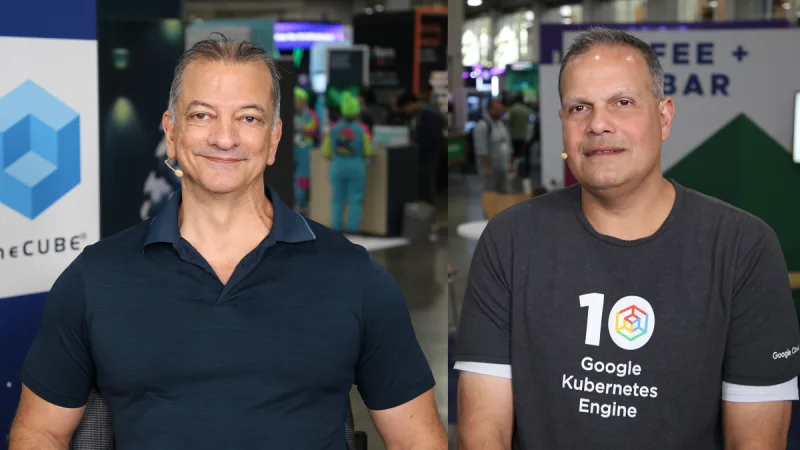
Google donates AI agent tools to open-source community to slash idle compute costs on Kubernetes
Google has contributed three projects to the Cloud Native Computing Foundation to help organizations reduce expenses when AI agents sit idle on Kubernetes clusters, addressing a growing cost challenge in agentic workloads.
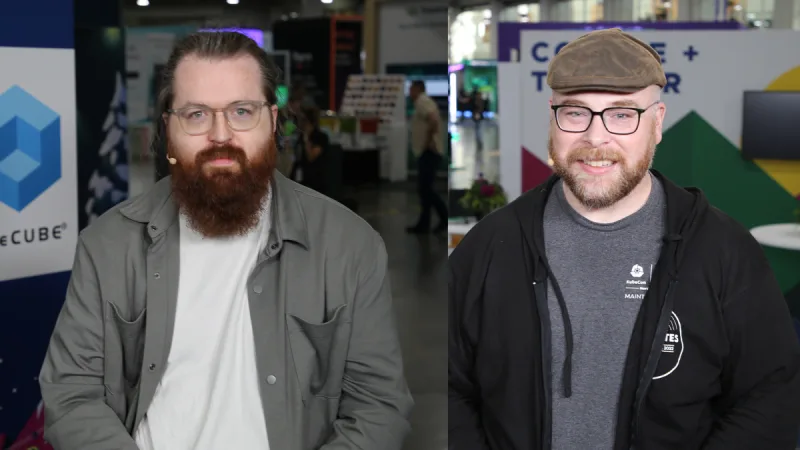
Cloud-native developers embrace AI at scale, but open-source maintainers struggle with the fallout
A new CNCF report reveals that 75% of cloud-native developers now use AI tools, far outpacing the broader developer population. The surge is creating new challenges for open-source project maintainers drowning in AI-generated pull requests.