Ogilvy's Echo Platform Aims to Scale Ad Production While Protecting Talent Rights
The WPP agency has launched Echo, an AI system built with Creative Artists Agency that generates dozens of ad assets from a single shoot while ensuring talent approval and consumer trust.
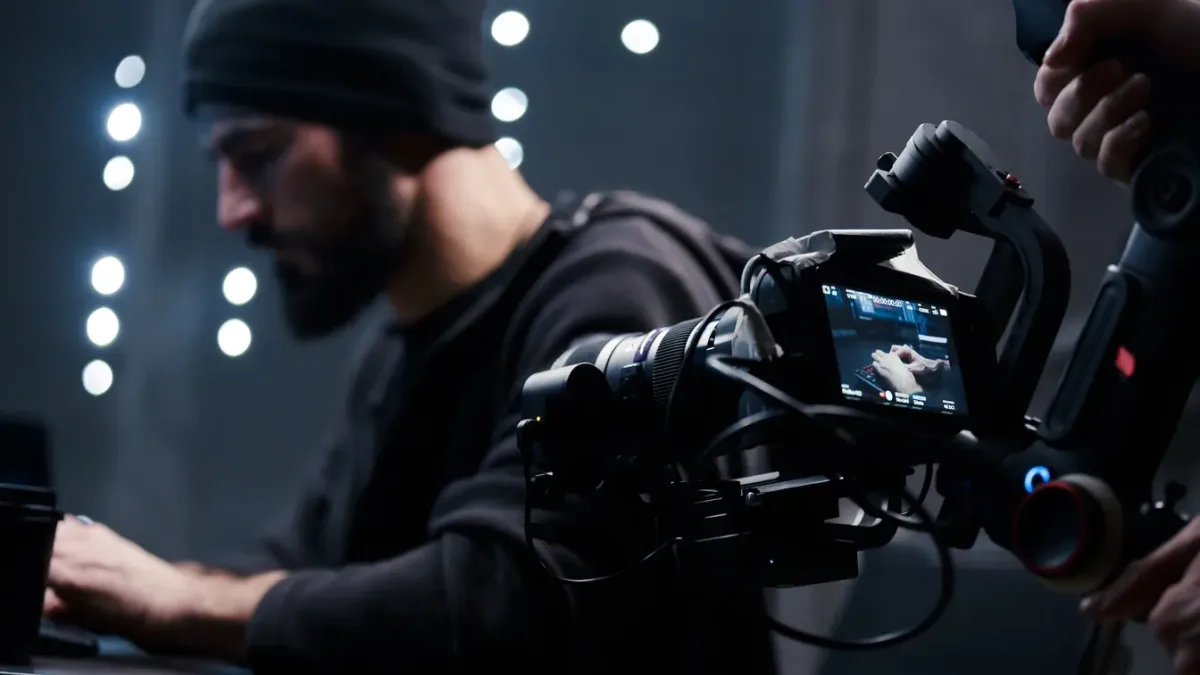
Ogilvy unveiled Echo on Monday, a proprietary artificial intelligence platform designed to let advertisers create multiple content variations from a single production shoot. The system operates through a partnership between Ogilvy's parent company WPP and Creative Artists Agency, putting into practice The CAA Vault—the talent agency's infrastructure for capturing, storing and licensing digital representations of its clients.
The platform addresses a tension in modern advertising: brands need more content to feed always-on digital campaigns, while talent agencies hold high-quality assets that could serve those needs. Celebrity and athlete-led advertising represents a $25 billion annual global market, according to Ogilvy, yet traditional production methods often fall short of what digital-first strategies demand. Simultaneously, the industry grapples with consumer concerns about deepfakes and unauthorized AI-generated content using real people's likenesses.
Carol Reed, global chief innovation officer at Ogilvy, framed the challenge this way: "Clients want more content, and [talent agencies] have high quality assets. How do we bridge those things together?" She added, "It's not about creating new software to sell to people. It is more about how you solve the question around human AI likeness and making it scalable and repeatable for wide-scale use."
Echo, now available across the WPP network this month, runs on WPP Open, the holding company's AI-powered operating system. The workflow captures voice and video through the CAA Vault process, then generates storyboard elements and creative assets that become finished advertisements—all requiring approval from both the client and the talent involved.
A single asset shoot can now produce 30 to 50 media-ready assets compared to the 8 to 10 generated through conventional production methods, cutting average cost-per-asset by an estimated 65% to 75%. Beyond financial efficiency, Reed envisions Echo enabling creative ambition rather than mere cost-cutting. "I don't want people to feel like we're cutting corners. It's about ideally unlocking impossible things," she said. "Being able to have more ideas come out of it and not just variations is really exciting to me… We can land more creative ideas in impossible situations."
Consumer Trust as Foundation
Ogilvy validated Echo with consumers before launch, surveying more than 1,200 respondents across the U.S., UK and India using both intuitive association research and traditional survey methods. The findings showed that over 80% of global respondents recognized talent-approved messaging as a signal of consent—approval that boosted ad appeal among more than 76% of respondents globally. Even consumers skeptical of AI reported that explicit talent authorization increased their trust, credibility perception and sense of reassurance.
David Raichman, executive creative director and global AI creative lead for The Ogilvy Group, observed that "Trust in advertising has always come from two things: someone you believe and an idea worth believing. AI has challenged both. Echo puts them back together: the talent's consent on every asset, and a creative idea strong enough to deserve it."
The platform embeds trust through multiple mechanisms. Generated assets are automatically validated against machine-readable talent usage terms and brand safety guidelines, with nothing released without final approval through a dedicated portal. AI models train exclusively on CAA Vault data, and all consumer-facing assets carry a visible watermark stating "[Talent Name] Approved | Recreated with AI."
Reed reflected on the consumer research outcomes: "I actually didn't know what was going to come out of that research. I was a little nervous, to be honest with you, but I think trust is the main theme. We're at a point now where people aren't afraid of AI. You see it in your feeds, and I think people are getting to the point where they appreciate disclosure and transparency."
While Ogilvy declined to name specific advertisers or talent using or planning to use Echo, Reed confirmed that pilot programs are underway. The convergence of talent, advertiser and creative agency in a single conversation—rather than separate discussions—represents a shift that may require adjustment from all parties involved. "This technology creates this convergence of acknowledging what could be possible if we all aligned our ducks, and so that takes a little bit of time to find the right use case," Reed said. "We never want to feel like we're using AI or technology for the sake of using it."
Read more
Kubernetes gets new purpose running autonomous AI agents, Google donates open-source tools
Google is repositioning Kubernetes as the platform for enterprise agentic AI workloads, donating foundational open-source projects to the Cloud Native Computing Foundation to help orchestrate autonomous software more efficiently.
Black Friday 2026: date, AI shopping agents and what changes for retailers
Black Friday 2026 falls on November 27, with Cyber Monday on November 30. This piece covers which AI assistants can check out in the US, why ChatGPT stepped back from Instant Checkout, and what Adobe and Salesforce forecast.
Google donates AI agent tools to open-source community to slash idle compute costs on Kubernetes
Google has contributed three projects to the Cloud Native Computing Foundation to help organizations reduce expenses when AI agents sit idle on Kubernetes clusters, addressing a growing cost challenge in agentic workloads.