NATS messaging system moves to center stage as AI agent fleets reshape data center traffic
Machine-to-machine communication is surging as AI workloads and agent systems generate unprecedented volumes of ephemeral connections, forcing a reckoning with messaging infrastructure designed for steadier patterns.
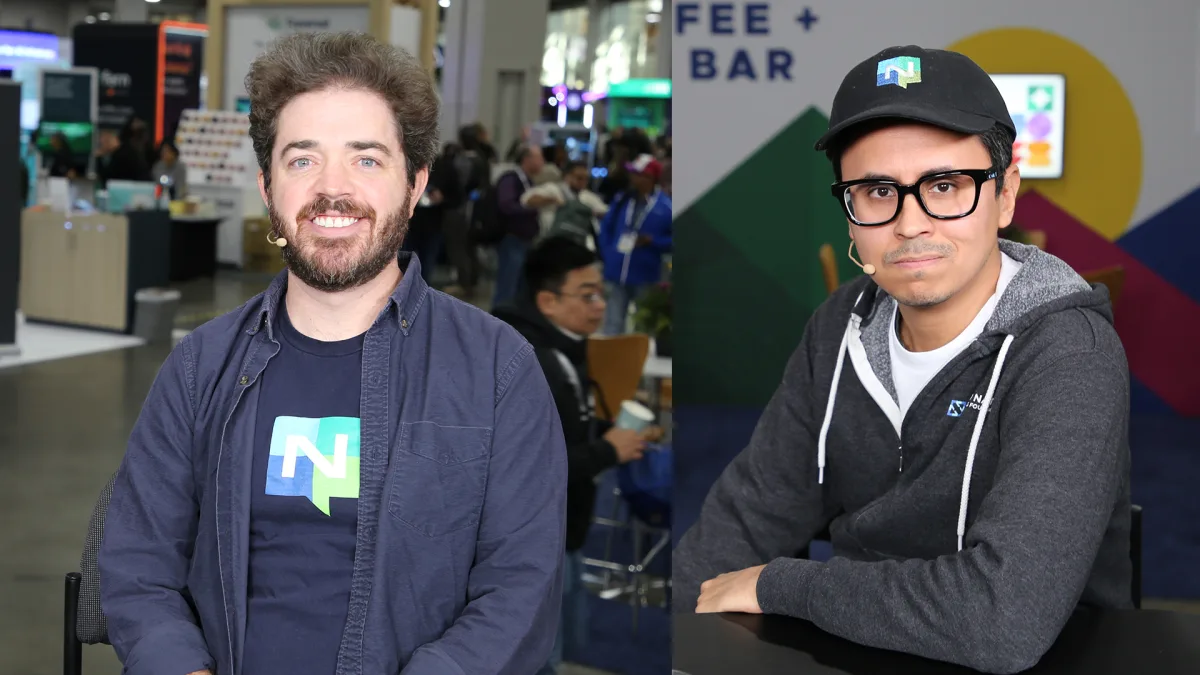
The explosion of data center telemetry, isolated AI workloads running in sandboxes, and coordinated fleets of autonomous agents are generating machine-to-machine traffic at scales that traditional messaging systems struggle to handle. This surge is bringing renewed focus to NATS, the Neural Autonomic Transport System, an open-source platform that routes messages between applications and services organized by topic. Launched in 2010, NATS achieved a significant milestone when it graduated from the Cloud Native Computing Foundation in November 2026.
Andrew Connolly, NATS project maintainer at Synadia Communications Inc., which provides managed NATS services, argues that the system's minimalist architecture makes it well-suited to the demands of modern AI applications. When tools like Lovable can convert natural language instructions into functioning web applications, the messaging infrastructure must reliably deliver updates as temporary compute environments constantly spin up and shut down.
What's changed in the current context, or landscape, is everything is really ephemeral. If you take the Lovable example, connections coming and going really fast, tons of churn, tons of sandboxes, all these things spinning up, spinning down. Not every technology can handle that.
Andrew Connolly
Connolly and Waldemar Quevedo, another NATS project maintainer at Synadia, discussed these developments during an exclusive interview at KubeCon + CloudNativeCon NA, broadcast through theCUBE, SiliconANGLE Media's livestreaming platform. The conversation covered how NATS manages traffic from short-lived sandboxes, processes data center telemetry, and enables AI agents to coordinate work handoffs.
Data center telemetry and agent traffic converge on NATS
The platform's evolution extends far beyond supporting individual application sandboxes. NATS has matured from handling single-cluster operations into a distributed system capable of spanning multiple data centers, geographic regions, and cloud providers. According to Quevedo, one AI application builder recently migrated its real-time service to NATS to manage millions of concurrent subscriptions.
NATS has evolved to be able to communicate multiple data centers with a super cluster topology with the gateways. It is smart [at routing] the interest graph out to multiple regions, multiple availability zones, multi-cloud.
Waldemar Quevedo
Practical deployments demonstrate the breadth of NATS's utility. Data center operators leverage it to transmit power and cooling telemetry throughout their facilities. Nvidia Corp. constructed its AI factory event bus on top of NATS as a component of its DSX reference architecture. For agent-based systems, NATS's JetStream persistence layer and integrated key-value storage enable agents to maintain and exchange the state information necessary for seamless task transitions.
https://www.youtube.com/embed/Yih7BxZdeqo?feature=oembed
In some sense, agentic systems are just microservices systems, but at a bigger scale. NATS was good for microservices. It's going to be great for AI agents.
Andrew Connolly
Read more

Kubernetes gets new purpose running autonomous AI agents, Google donates open-source tools
Google is repositioning Kubernetes as the platform for enterprise agentic AI workloads, donating foundational open-source projects to the Cloud Native Computing Foundation to help orchestrate autonomous software more efficiently.
Black Friday 2026: date, AI shopping agents and what changes for retailers
Black Friday 2026 falls on November 27, with Cyber Monday on November 30. This piece covers which AI assistants can check out in the US, why ChatGPT stepped back from Instant Checkout, and what Adobe and Salesforce forecast.
Google donates AI agent tools to open-source community to slash idle compute costs on Kubernetes
Google has contributed three projects to the Cloud Native Computing Foundation to help organizations reduce expenses when AI agents sit idle on Kubernetes clusters, addressing a growing cost challenge in agentic workloads.