Intel, Kyndryl and Dell Explore AI-Powered PCs in New Podcast Series
A three-part podcast series examines how AI-enabled endpoints with dedicated processors change fleet management and the workplace experience, featuring insights from Intel and managed services provider Kyndryl.
![[Podcast] Exploring The Intelligent Endpoint](https://tractionwire.com/storage/media/3/2026/10/vpbddupyjlf08d3z5hwsll896ywxj3e0-wide.webp)
Machines equipped with artificial intelligence capabilities are reshaping what modern endpoints can accomplish and improving how employees interact with their devices. Through a three-episode podcast collaboration, Intel and Kyndryl demonstrate how contemporary PCs leverage specialized NPU, GPU, and CPU components to execute AI tasks directly on the device, delivering both speed improvements and enhanced privacy protections. The series examines implications for IT administrators overseeing device fleets as well as end users working with these systems daily.
The podcast conversations target senior technology leaders, illustrating how Kyndryl manages and secures Dell Pro AI PCs running Intel Core Ultra Processors with vPro and AMT capabilities. Real-world scenarios demonstrate business protection and operational continuity during challenging situations. The discussions reveal how Kyndryl consolidates device health monitoring, application performance tracking, and employee experience metrics into a unified dashboard. Additionally, the series examines how small language models operating directly on AI PCs enable the endpoint to optimize itself while enhancing daily productivity for workers.
Building a Resilient Endpoint Fleet with Intel AMT and AI
The opening episode of "Exploring the Intelligent Endpoint: Discover Dell Pro AI PCs powered by Intel Core Ultra Processors with Kyndryl managed services" features subject matter experts discussing how the Blue Friday outage exposed a significant gap in IT infrastructure. Although Intel's AMT technology had been included in business PCs for nearly two decades, most IT teams had not activated it, primarily because the setup process demanded substantial time investment. The episode traces why this adoption challenge persists despite vPro deployment becoming far simpler—shrinking from a 26-step provisioning procedure to a six-step cloud-based service. Experts also explain how the remote connectivity infrastructure that powers device repair now feeds into Kyndryl Bridge's AIOps capabilities.
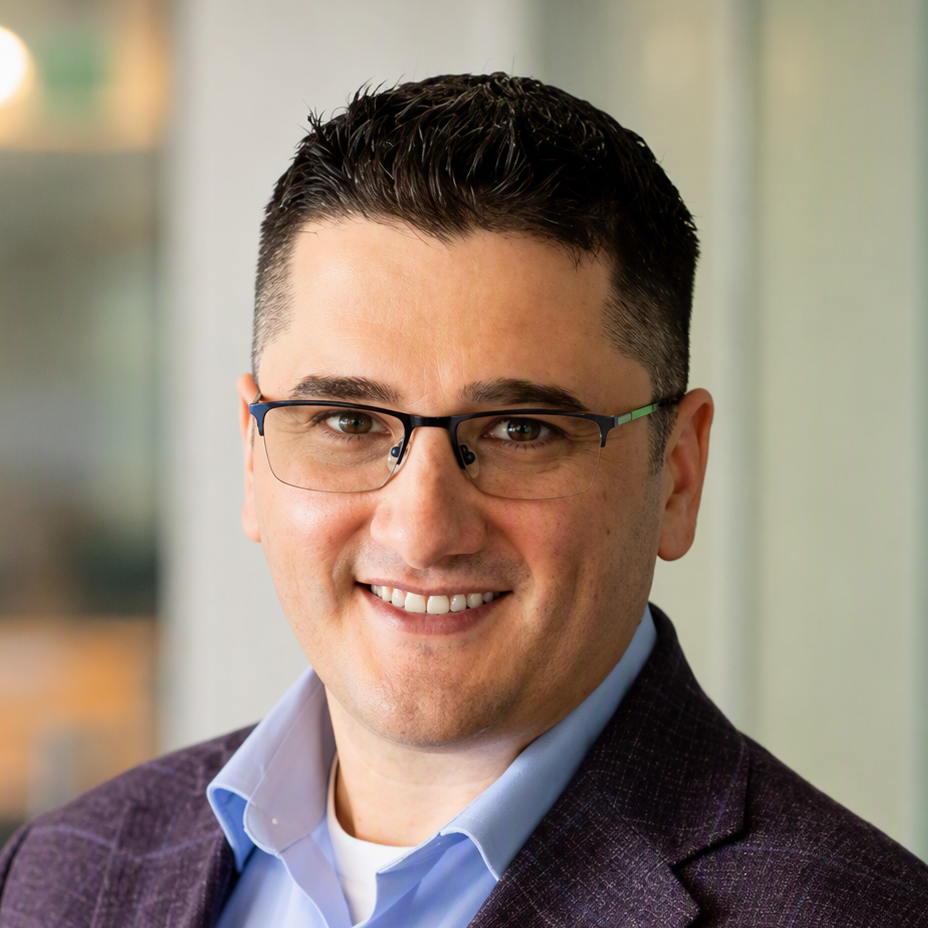
Featured Experts

Dennis, Vice President, Chief Technical Officer & Distinguished Engineer at Kyndryl, brings expertise across computer science, psychology, and graphic design. His interdisciplinary foundation enables him to address IT challenges by integrating functional requirements, business objectives, and technology capabilities into solutions that deliver strong user experiences while advancing business performance. Over two decades, Dennis has served as a strategic advisor to C-suite executives across financial services, healthcare, pharmaceuticals, and manufacturing sectors. His client relationships have deepened his understanding of complex business challenges and his commitment to maximizing technology value. He champions collaborative team environments, emphasizing transparent communication and iterative problem-solving approaches that consistently exceed client expectations.
Grant, Principal Engineer in Systems and Solutions at Intel, facilitates large-scale deployment of Intel technologies across enterprise settings worldwide. His work encompasses helping organizations understand, implement, and maintain commercial client devices built on Intel architectures and technologies. Grant's responsibilities span hardware manageability topics and the deployment of modern xPU silicon architectures including NPU, GPU, and CPU components. He holds an Electrical Engineering degree from Lamar University in Texas, has spent nearly three decades working in and with IT environments, and previously served as Chief Technology Officer at a managed service provider organization before joining Intel.
Read more

Speed to operational status now matters more than GPU counts in AI infrastructure buildouts
As organizations race to deploy AI factories, the bottleneck has shifted from securing graphics processors to managing data pipelines and storage. Infrastructure vendors are rethinking how they approach these projects from the ground up.

SpaceXSI's Grok Voice 3.0 Tops Industry Benchmarks in Speech-to-Speech Showdown
Elon Musk's SpaceXSI has unveiled Grok Voice 3.0, a speech-to-speech model that outperforms competitors from OpenAI and Google across multiple independent testing frameworks.

Microsoft Pursues Composable Memory to Ease AI Data Center Bottlenecks
As memory scarcity constrains AI workloads across data centers, Microsoft is exploring composable memory architectures that dynamically allocate capacity across servers rather than locking it within individual machines.