Clipto Studio Gives AI Assistants Access to Years of Meetings and Calls
A new startup platform lets ChatGPT and Claude search and analyze video and audio recordings, filling a gap in what AI systems can access and understand about a person's work history.
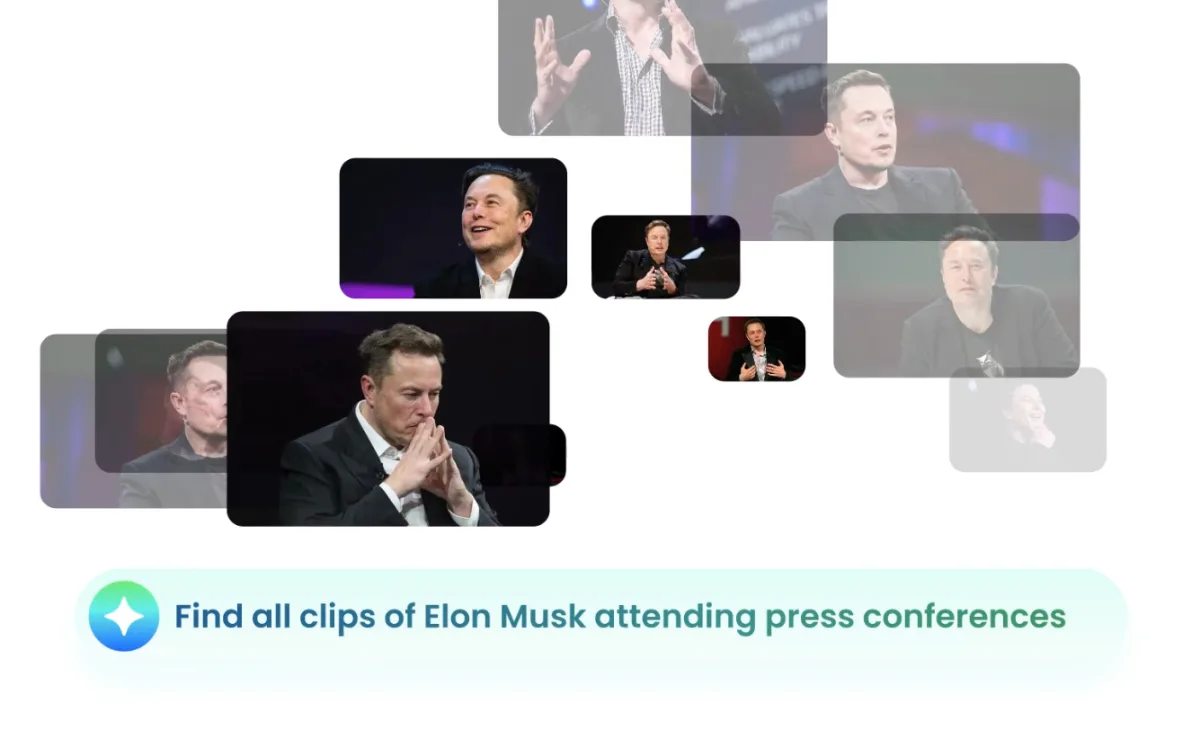
Large language models like ChatGPT and Claude have transformed how millions of workers handle routine tasks—drafting emails, writing code, summarizing reports—by processing whatever text-based information users feed them. Yet these systems remain blind to one critical source of business knowledge: the conversations happening in video calls, presentations and in-person meetings.
Clipto Inc., a startup addressing this limitation, has unveiled Clipto Studio, an AI chatbot memory platform that allows assistants to index, search and analyze recorded meetings and calls spanning years of a person's work history. The platform integrates with ChatGPT, Claude and other AI systems through the Model Context Protocol, using proprietary models that process data locally on users' Mac and Windows machines.
The startup's thesis rests on a straightforward observation: while AI can rapidly scan email and databases, the most valuable organizational knowledge often lives in unstructured video and audio files. Major business decisions typically emerge from Zoom conversations, customer interviews and team meetings, yet extracting insights from these recordings has proven computationally expensive and impractical for AI systems to handle at scale.
Clipto Studio operates by pre-processing recordings to extract and index speech, individual voices, facial expressions and visual elements. This raw material gets converted into a structured, searchable dataset optimized for AI queries. When a user asks about a conversation from last week or from two years prior, the system searches through the metadata to surface relevant answers.
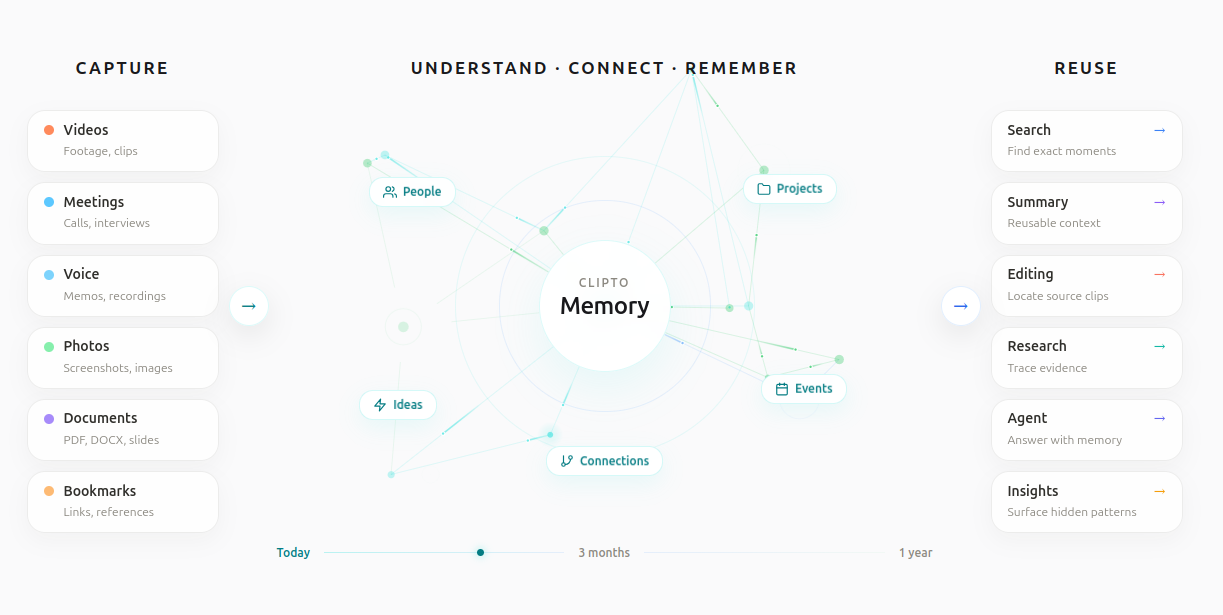
Founder and Chief Executive Henry Kang described the opportunity in stark terms: "The next generation of AI will need to understand the conversations, experiences and knowledge that never makes it into a text-based document. That's the future we're building, giving AI the memory it needs to move beyond answering questions from the internet and start getting real world done with what we ourselves have seen and heard."
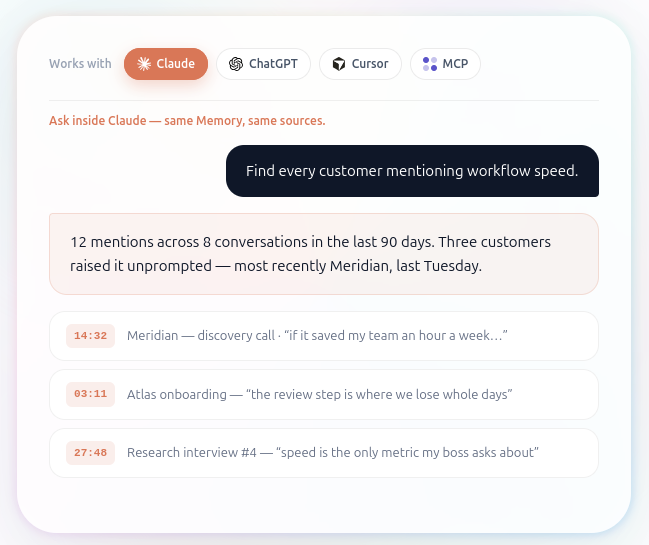
Practical applications span multiple professional domains. A management consultant could instruct ChatGPT to pinpoint when a project's scope shifted across six months of recorded calls. A researcher might ask Claude to identify recurring product complaints by analyzing hundreds of customer conversations and extracting supporting quotes. Event attendees could request highlight reels from dozens of hours of presentations, surfacing the most relevant segments.
The launch marks an inflection point for Clipto, which recently recruited Dr. Mei Han, a former Google research scientist with a doctorate in robotics from Carnegie Mellon University, as its chief scientist. Han will oversee development of Clipto's lightweight multimodal AI architecture.
Han framed the technical challenge and opportunity this way: "The challenge isn't just recognizing speech or identifying what's on screen. It's connecting that information across thousands of recordings so AI can understand the context and use it. We're building the technology to make video and audio as accessible and as useful to AI as text, opening up an entirely new generation of applications."
Read more
Kubernetes gets new purpose running autonomous AI agents, Google donates open-source tools
Google is repositioning Kubernetes as the platform for enterprise agentic AI workloads, donating foundational open-source projects to the Cloud Native Computing Foundation to help orchestrate autonomous software more efficiently.
Black Friday 2026: date, AI shopping agents and what changes for retailers
Black Friday 2026 falls on November 27, with Cyber Monday on November 30. This piece covers which AI assistants can check out in the US, why ChatGPT stepped back from Instant Checkout, and what Adobe and Salesforce forecast.
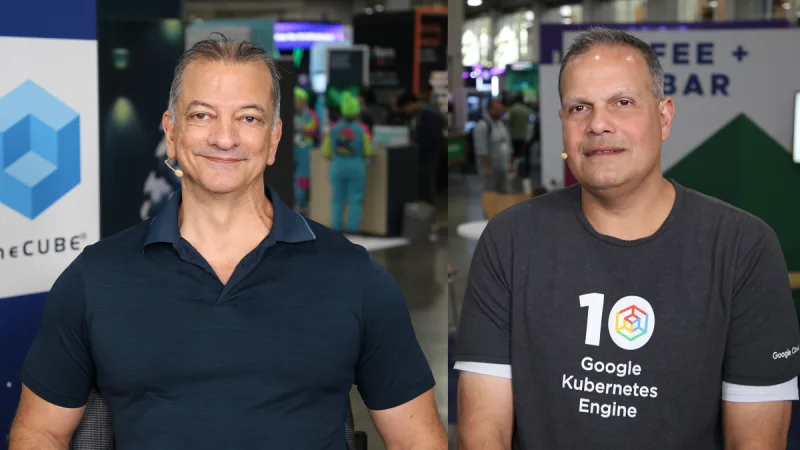
Google donates AI agent tools to open-source community to slash idle compute costs on Kubernetes
Google has contributed three projects to the Cloud Native Computing Foundation to help organizations reduce expenses when AI agents sit idle on Kubernetes clusters, addressing a growing cost challenge in agentic workloads.