Zipline Secures $1.5B to Scale Drone Delivery Network Alongside Walmart Expansion
The autonomous drone logistics company has reached a $21.5 billion valuation following a major funding round and a significant expansion of its partnership with Walmart to deploy 300 new delivery sites across the U.S.
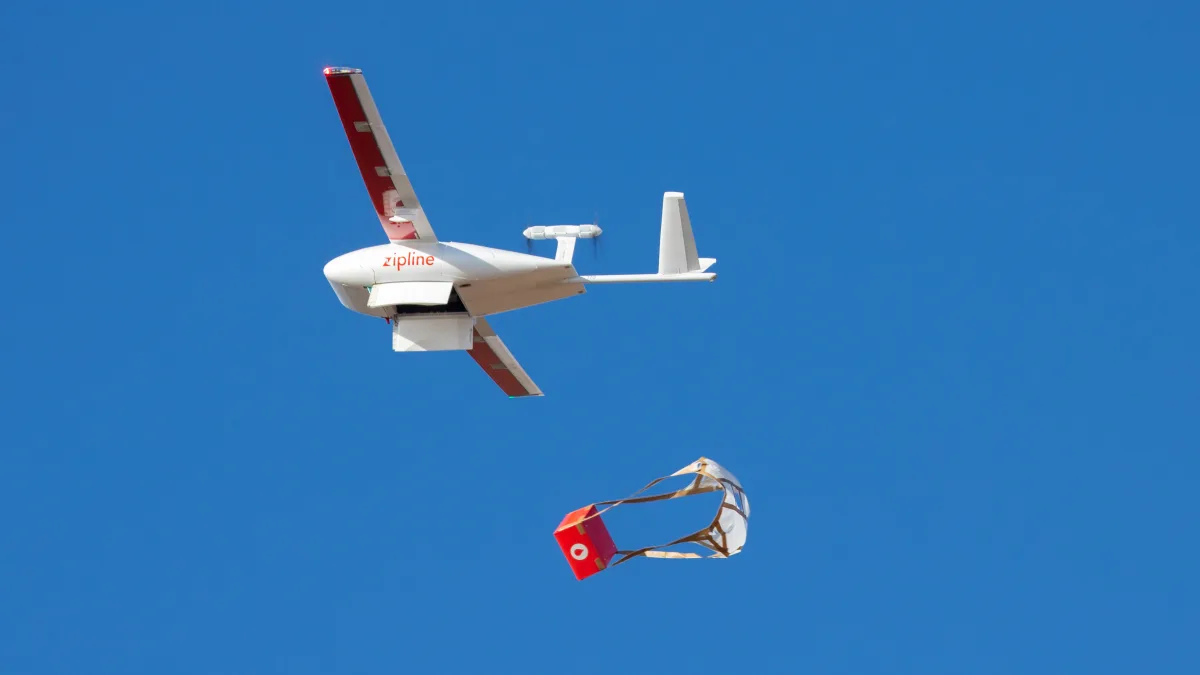
A funding round totaling $1.5 billion and an expanded partnership with Walmart have propelled drone delivery operator Zipline to a $21.5 billion valuation. The two companies have committed to a multi-year agreement that will establish 300 additional drone delivery locations throughout the country, marking a substantial escalation from their current footprint of 21 active sites working together.
Paradigm, WCM Investment Management, and Layer Global led the financing, with additional backing from Valor Equity Partners, Fidelity Management & Research Company, Uber, Tiger Global, J.P. Morgan, ARK Invest, and Salesforce Ventures. Zipline intends to deploy the capital toward expanding manufacturing operations within the United States and recruiting personnel to construct a comprehensive nationwide drone delivery infrastructure.
From Africa to the American Market
Zipline commenced operations in 2014 with a focus on African markets, where it pioneered autonomous drone delivery of blood products in Rwanda before expanding into Ghana and Nigeria. The California-headquartered company entered the U.S. market in 2020, initially delivering medical supplies and equipment to Novant Health facilities in North Carolina. A partnership with Walmart followed in 2021.
The company's American trajectory accelerated in 2022 when it obtained Part 135 air carrier certification from the Federal Aviation Administration, a regulatory milestone that enabled long-range commercial drone operations. Since then, Zipline has secured multiple partnerships, including a recent agreement with Uber.
Expanding Service Capabilities
Zipline operates across five African nations, multiple U.S. cities, and Japan, delivering food, retail goods, agricultural products, and health supplies via drone. The company maintains two primary aircraft platforms: Platform 2 drones for residential delivery, capable of carrying up to eight pounds within a 10-mile service radius, and Platform 1 drones designed for enterprise and government use, capable of traveling up to 120 miles round trip.
The company disclosed that delivery revenue as a share of total revenue climbed from 10.8% in March to 34.9% by October of this year. The latest capital infusion aims to accelerate this growth trajectory.
Read more
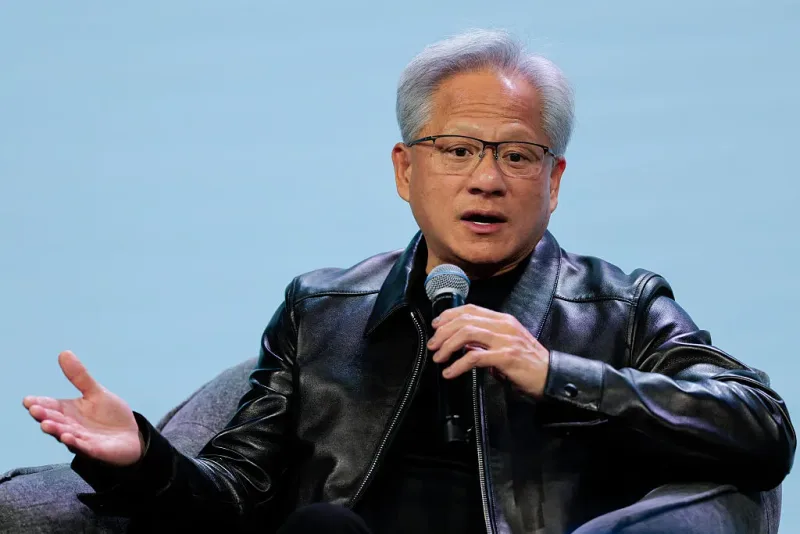
Huang's exit creates funding vacuum for AI startups as Nvidia shifts investment strategy
Jensen Huang's departure from Nvidia removes a major source of capital for early-stage AI companies, with investors warning that his successor is likely to be far more selective about startup backing.
Nvidia's Startup Investment Spree Hits 120+ Deals in 2026, But Leadership Transition Raises Questions
Nvidia and its venture arm NVentures have backed more than 120 startups this year, surpassing last year's record, but Jensen Huang's sudden departure creates uncertainty about the company's future investment strategy.

LangChain Raises $300M at $3B Valuation as AI Agent Management Heats Up
The open-source framework turned enterprise platform has doubled its valuation in a year, backed by CapitalG and others, as it positions itself as a vendor-neutral alternative for building and managing AI agents.