Private Unicorns Worth $2 Trillion More Than Last Funding Rounds, Crunchbase Analysis Shows
Crunchbase's new valuation model estimates that over 1,900 unicorns have collectively gained significant value since their most recent funding events, with the combined portfolio climbing from $9 trillion to roughly $11 trillion.

The roster of more than 1,900 unicorns tracked by Crunchbase carries a combined valuation of approximately $9 trillion when measured by their most recent funding rounds. However, applying Crunchbase's newly developed Current Valuation Model—which tracks how private-company values have shifted since their last capital raises—pushes that aggregate figure to closer to $11 trillion.
The analysis reveals that most unicorns have appreciated in value since their last funding events, though some have declined. Among the standout performers are AI startups Thinking Machines Lab, which has climbed from a $12 billion valuation to an estimated $40 billion, and Sierra, which has risen from nearly $16 billion to $31.5 billion.
Across the broader unicorn board, the majority of companies command higher valuations under the Current Valuations model than at their most recent funding rounds. Only approximately 236 companies—representing roughly 12% of the board—have declined by more than $100 million compared to their last reported valuations.
The biggest gainers
A select cohort of 24 companies has accumulated more than $10 billion in value since their most recent funding rounds. Mira Murati's AI research lab Thinking Machines Lab, which received its last valuation of $12 billion during 2025 seed funding, now carries an estimated valuation of $40 billion.
Bret Taylor's customer-focused AI agent builder Sierra achieved a valuation near $16 billion in a May 2026 funding round. The Crunchbase model now estimates its value at $31.5 billion.
Physical Intelligence, which develops AI systems for robotics applications, was valued at $5.6 billion during its Series B round. Current estimates place its valuation at $18.5 billion.
An additional 53 companies are projected to have current valuations between $5 billion and just under $10 billion higher than their most recent funding rounds. This group encompasses Unconventional AI, focused on energy efficiency for AI; Lila Sciences, building artificial intelligence for scientific applications; AI cloud provider Vultr; AI research lab humans&; stablecoin payment platform Tempo; and Yann LeCun's Advanced Machine Intelligence, which models physical world intelligence.
A broader tier of 484 companies shows estimated current valuations that are $1 billion to $5 billion higher than their most recent funding valuations. More than 1,100 additional companies have values that remained flat or increased by up to $1 billion compared to their most recent funding rounds.
Approximately 236 companies are estimated to trade below their most recent valuations by more than $100 million. These companies collectively show current valuations down by $326 billion from their most recent funding events.
Unicorn board momentum
The Crunchbase Unicorn Board reached its peak valuation in 2026 when three companies approached or surpassed $1 trillion valuations—a milestone never before seen in the board's history. The board peaked at $10 trillion ahead of Anthropic's initial public offering last week. Anthropic's public-market debut removed approximately $1 trillion from the board. This followed another trillion-dollar exit earlier this year when SpaceX, last valued at $1.3 trillion in a secondary financing, went public in June at a valuation of $1.8 trillion.
Through this year, the unicorn board has gained $1.5 trillion from its $7.5 trillion value at the end of 2025. With its closest competitor now trading publicly, OpenAI holds the position of most highly valued private company at an official valuation of $1.25 trillion.
The unicorn board has accelerated its growth this year. Approximately 360 companies joined the board so far in 2026, marking the second-highest annual intake after 2021, when 621 companies achieved unicorn status.
The combination of faster new entrant velocity and rising valuations has replenished the board, while current estimates point to substantial value accumulation occurring between funding rounds.
The real test ahead involves whether these estimated values align with what investors will actually pay. Upcoming funding rounds, secondary transactions, public listings, and mergers and acquisitions will determine how much of the board's estimated $2 trillion uplift translates into concrete realized value.
Methodology
The Current Valuation Model employs a proprietary machine learning approach that begins with a company's most recent post-money valuation and continuously estimates how its value has evolved since that funding event. The model covers approximately 230,000 funded private companies.
Read more
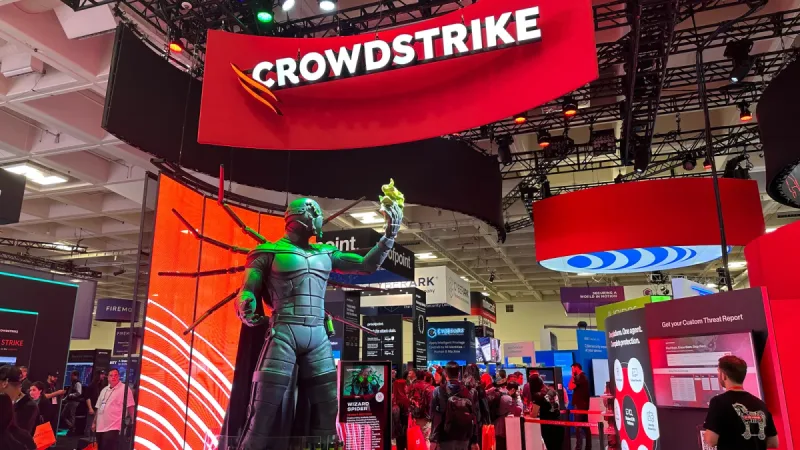
CrowdStrike to buy Zscaler for $43.9B, betting on unified AI-driven security
CrowdStrike is acquiring cybersecurity rival Zscaler in an all-stock deal that would create a $10 billion revenue powerhouse and expand the buyer's reach into network security.

Aevius Labs Raises $22M to Make Medical Data Computable for AI
The Boston-based spinout from Mass General Brigham secured funding led by Insight Partners to develop foundation models that transform unstructured clinical information into actionable intelligence for healthcare systems.

Nvidia Restores Huang to CEO Role After Two-Week Absence
The AI chipmaker has reinstated Jensen Huang as chief executive, president and board director immediately, reversing course after his resignation amid personal scandal and national security concerns.