Republican Governors Push Back Against Federal AI Regulation Freeze in Budget Bill
A coalition of 17 GOP governors is urging Congress to remove a proposed moratorium on state AI laws from the One Big Beautiful Bill, arguing that states have already developed effective regulatory frameworks.
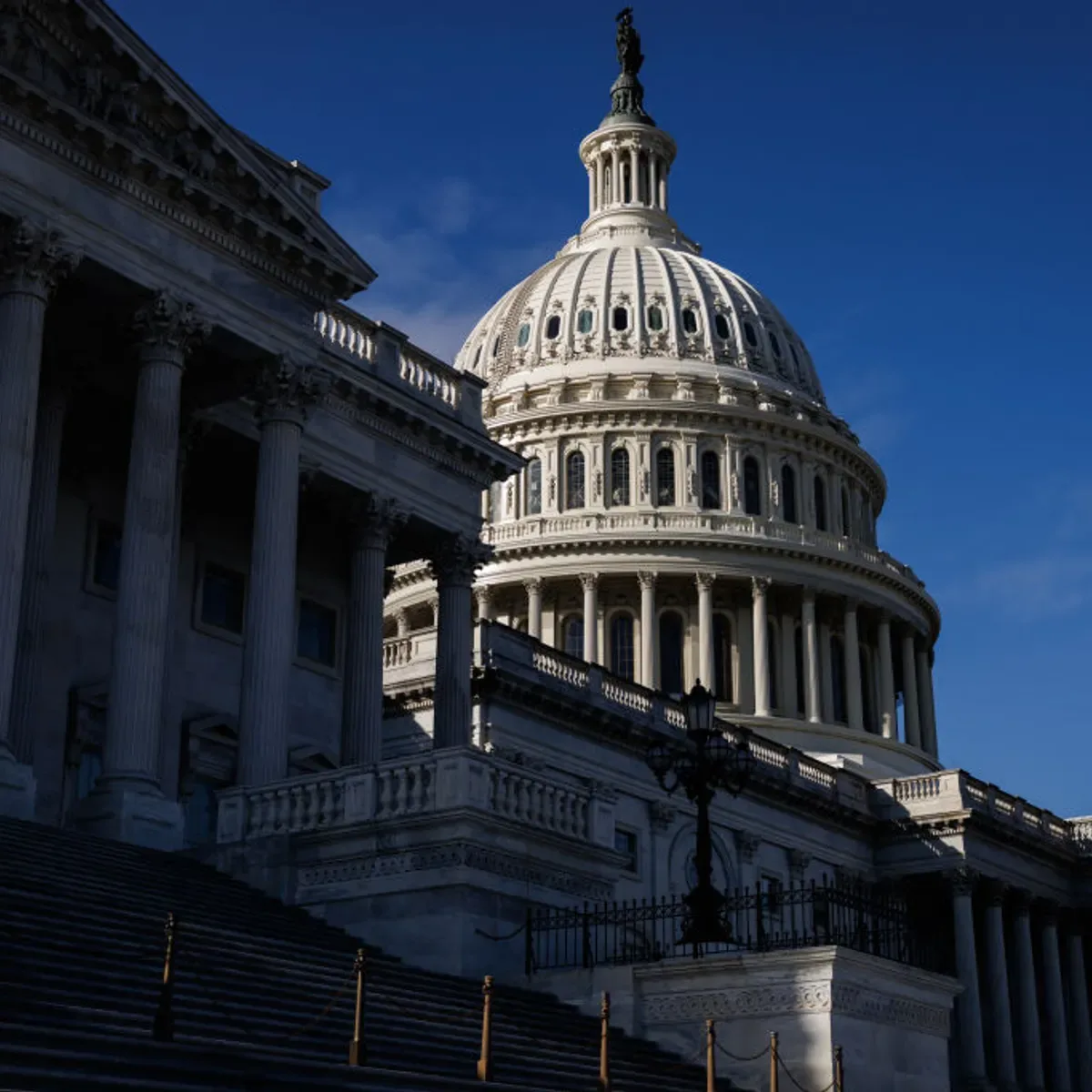
The Push for State Authority
Seventeen Republican governors have sent a letter to Senate Majority Leader John Thune and House Speaker Mike Johnson demanding that Congress eliminate a freeze on state-level artificial intelligence legislation from the One Big Beautiful Bill budget reconciliation package. The governors contend that "We must curb AI's worst excesses while also encouraging its growth, which is exactly what states have done through the creation of their own regulatory frameworks."
The proposal, which lawmakers recently revised to reduce the moratorium period from ten years to five years, continues advancing through the Senate despite the governors' objections.
Competing Visions for AI Oversight
As enterprises increasingly deploy AI systems, federal policymakers are still developing their regulatory strategy. The debate pits those concerned about fragmented state regulations against those who believe states should retain authority to establish their own rules. Technology leaders are being advised to monitor both current compliance initiatives and governance structures as the regulatory landscape continues to evolve domestically and internationally.
In their correspondence, the governors emphasized the far-reaching consequences of artificial intelligence for both society and economic activity. "That Congress is burying a provision that will strip the right of any state to regulate this technology in any way – without a thoughtful public debate – is the antithesis of what our Founders envisioned," they wrote.
Limited Modifications Fail to Satisfy Critics
Senators Ted Cruz and Marsha Blackburn spearheaded modifications that reduced the freeze duration to five years and created exceptions for statutes protecting children's online safety, preventing unfair or deceptive business practices, and safeguarding individuals' names and likenesses.
However, observers of the technology sector remain skeptical about how the revised language will affect AI regulation. J.B. Branch, a Big Tech accountability advocate at Public Citizen, stated that "This new language fixes nothing. The so-called 'carve outs' for child protection and consumer safety are meaningless when a catch-all clause buried in the text bars enforcement of any state law that places an 'undue' or 'disproportionate' burden on AI systems — effectively undermining every consumer protection law passed at the state level."
Read more
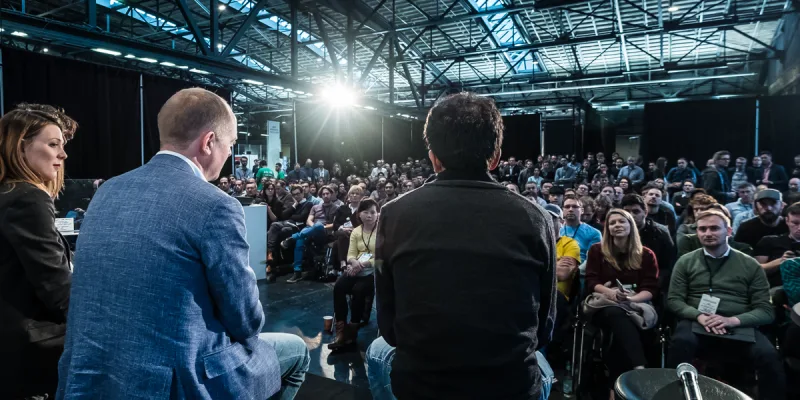
TechCrunch Disrupt 2026 offers $75 passes for laid-off workers seeking their next opportunity
Those affected by recent tech layoffs can attend TechCrunch Disrupt 2026 at San Francisco's Moscone West for $75, with the discounted Expo+ Pass limited to the first 100 qualifying applicants before the event opens October 13.
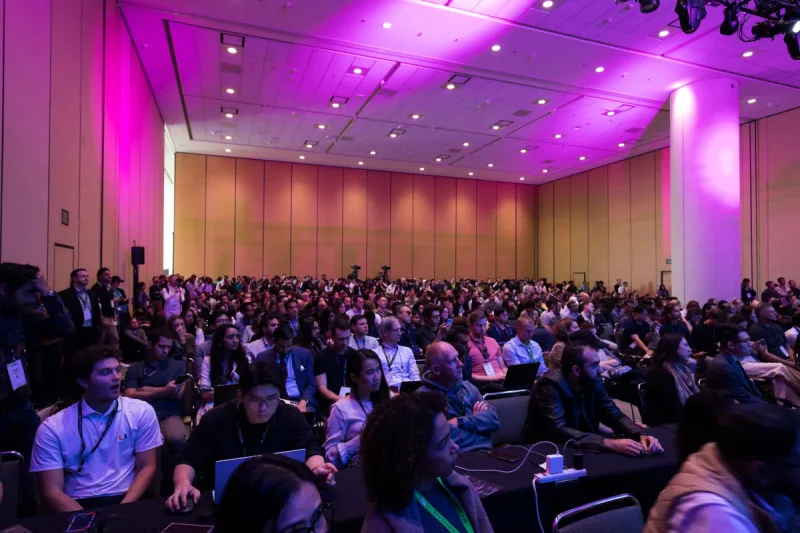
How AI Created the GTM Engineer: Clay's Kareem Amin on a Rapidly Emerging Role
A position that barely existed two years ago is now appearing across technology companies. At TechCrunch Disrupt 2026, Clay's founder will explain how AI and automation are reshaping go-to-market work.

Deadline Tonight: Last Chance to Host a Side Event at Founder Summit 2026
Applications to host a Side Event during TechCrunch Founder Summit 2026 in Boston close at midnight PT tonight. The event runs November 1–7 and will draw over 1,000 tech leaders.