Physical AI Moves Into the Factory: What Machina Summit Will Reveal About Real-World Robotics
As artificial intelligence transitions from software to embodied systems that must operate in physical environments, industrial robotics has become the crucial testing ground for enterprise deployment.
The evolution of artificial intelligence now centers on a fundamental shift: machines that perceive their surroundings, make decisions and take action in tangible spaces rather than purely digital ones. This transition demands new standards for operational safety, financial viability and system dependability. Major technology firms like Nvidia Corp. are actively shaping both the computational power and robotic infrastructure needed to support this change. The central challenge facing businesses, according to Krista Case, principal analyst at theCUBE Research, is whether they can transition beyond experimental phases without fragmenting their technology landscape.
The AI conversation is expanding beyond digital assistants and software automation into systems that perceive, reason and act in the physical world. As enterprises move from experimentation to deployment, the focus is shifting from model performance to operational performance, making this a pivotal moment for robotics, industrial automation and the infrastructure that brings physical AI into production.
Krista Case, principal analyst at theCUBE Research
TheCUBE, the livestreaming platform operated by SiliconANGLE Media, will provide live coverage of the Machina AI summit on July 7. During this event, analysts will investigate the requirements for transitioning physical AI from compelling proof-of-concept demonstrations into practical, scalable enterprise solutions.
Industrial robotics becomes the proving ground for physical AI
The manufacturing and logistics sectors present the most straightforward near-term opportunities for deploying physical AI at scale. These industries feature controlled environments, clearly defined business challenges and urgent automation requirements. Manufacturing floors, supply chain operations, infrastructure maintenance and field service work all provide concrete settings where embodied AI can be evaluated against genuine productivity and safety metrics, Case noted.
Physical AI isn't simply about smarter robots. It represents the convergence of AI, robotics, industrial automation and enterprise software into a new operating model. Organizations that can integrate these technologies into business processes will gain advantages in productivity, resilience and operational agility, while those that deploy them in isolation risk creating a new generation of operational silos.
Krista Case
The technical infrastructure supporting this integration—including simulation platforms, synthetically generated training data, digital twin technology and edge computing systems—proves as essential as the robotic hardware itself. Companies must establish processes for training, testing, controlling and operating machines before they encounter unpredictable real-world conditions. According to Case, organizations that succeed will be distinguished not by impressive demonstrations but by their capacity to execute disciplined deployment strategies.
As Machina 2026 unfolds, look beyond the technology demonstrations and focus on production readiness. The companies to watch will be those showing how physical AI integrates with enterprise operations, scales beyond pilot projects and delivers measurable business outcomes through simulation, edge computing, governance and real-world deployment.
Krista Case
TheCUBE event livestream
TheCUBE will broadcast live from the Machina AI summit on July 7. Recorded interviews and analysis will be available on-demand following the live event.
How to watch theCUBE interviews
Multiple platforms will carry theCUBE's Machina AI summit coverage. Viewers can access content through theCUBE's website and YouTube channel, with comprehensive event reporting also available on SiliconANGLE.
TheCUBE podcasts
SiliconANGLE distributes "theCUBE Pod" across Apple Podcasts, Spotify and YouTube. Hosts John Furrier and Dave Vellante discuss major developments in enterprise technology, spanning artificial intelligence, cloud infrastructure, regulatory matters and organizational trends.
The outlet also produces "Breaking Analysis," a weekly program featuring Dave Vellante's examination of significant enterprise technology stories. This show integrates analysis from theCUBE with market spending intelligence from Enterprise Technology Research and is available on Apple Podcasts, Spotify and YouTube.
Guests
The July 7 Machina AI summit broadcast will explore how AI is moving beyond software applications into domains where robots, humanoid systems and autonomous machines must function reliably within actual business settings. TheCUBE's analyst team will conduct interviews with company leaders, technology partners and end-user organizations to understand what enables the transition from laboratory demonstrations to operational deployment across manufacturing, material handling, medical facilities and field service sectors.
Participants from Path Robotics, Boston Dynamics, Skild AI, Neura Robotics and additional organizations will appear during the broadcast.
Read more
TechCrunch Disrupt 2026 offers $75 passes for laid-off workers seeking their next opportunity
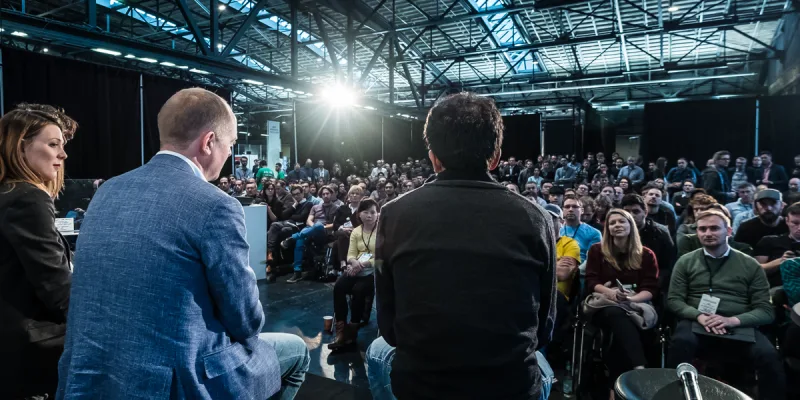
Those affected by recent tech layoffs can attend TechCrunch Disrupt 2026 at San Francisco's Moscone West for $75, with the discounted Expo+ Pass limited to the first 100 qualifying applicants before the event opens October 13.
How AI Created the GTM Engineer: Clay's Kareem Amin on a Rapidly Emerging Role
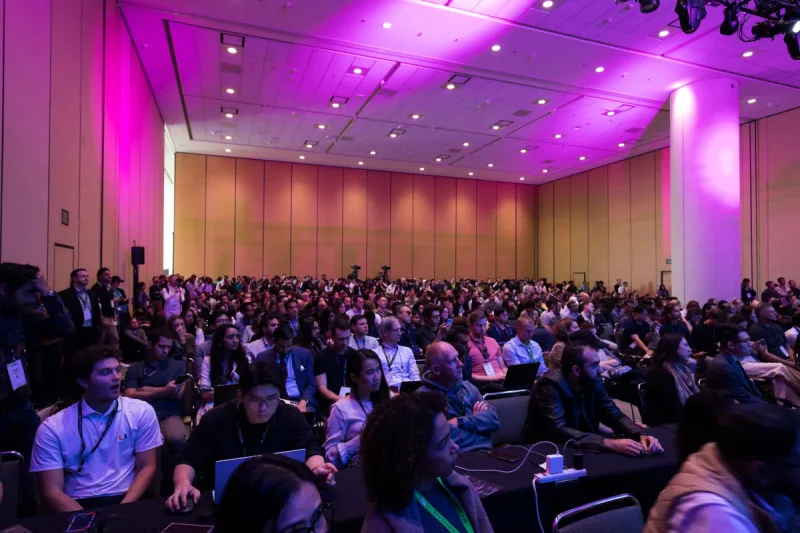
A position that barely existed two years ago is now appearing across technology companies. At TechCrunch Disrupt 2026, Clay's founder will explain how AI and automation are reshaping go-to-market work.
Deadline Tonight: Last Chance to Host a Side Event at Founder Summit 2026
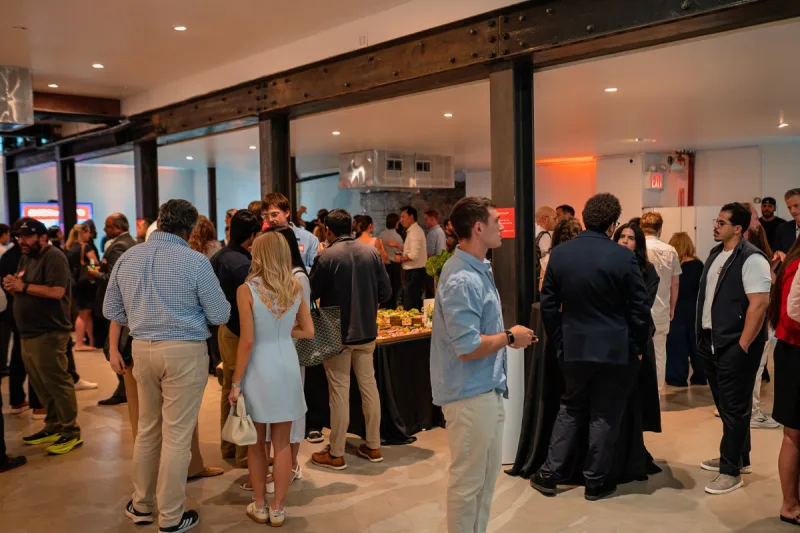
Applications to host a Side Event during TechCrunch Founder Summit 2026 in Boston close at midnight PT tonight. The event runs November 1–7 and will draw over 1,000 tech leaders.