California's New AI Audit Framework Sets Stage for Third-Party Oversight
Governor Newsom has signed legislation creating a structured system for independent auditors to evaluate AI systems, marking California's latest move to establish guardrails around the rapidly advancing technology.
Two Bills Create Auditing Infrastructure
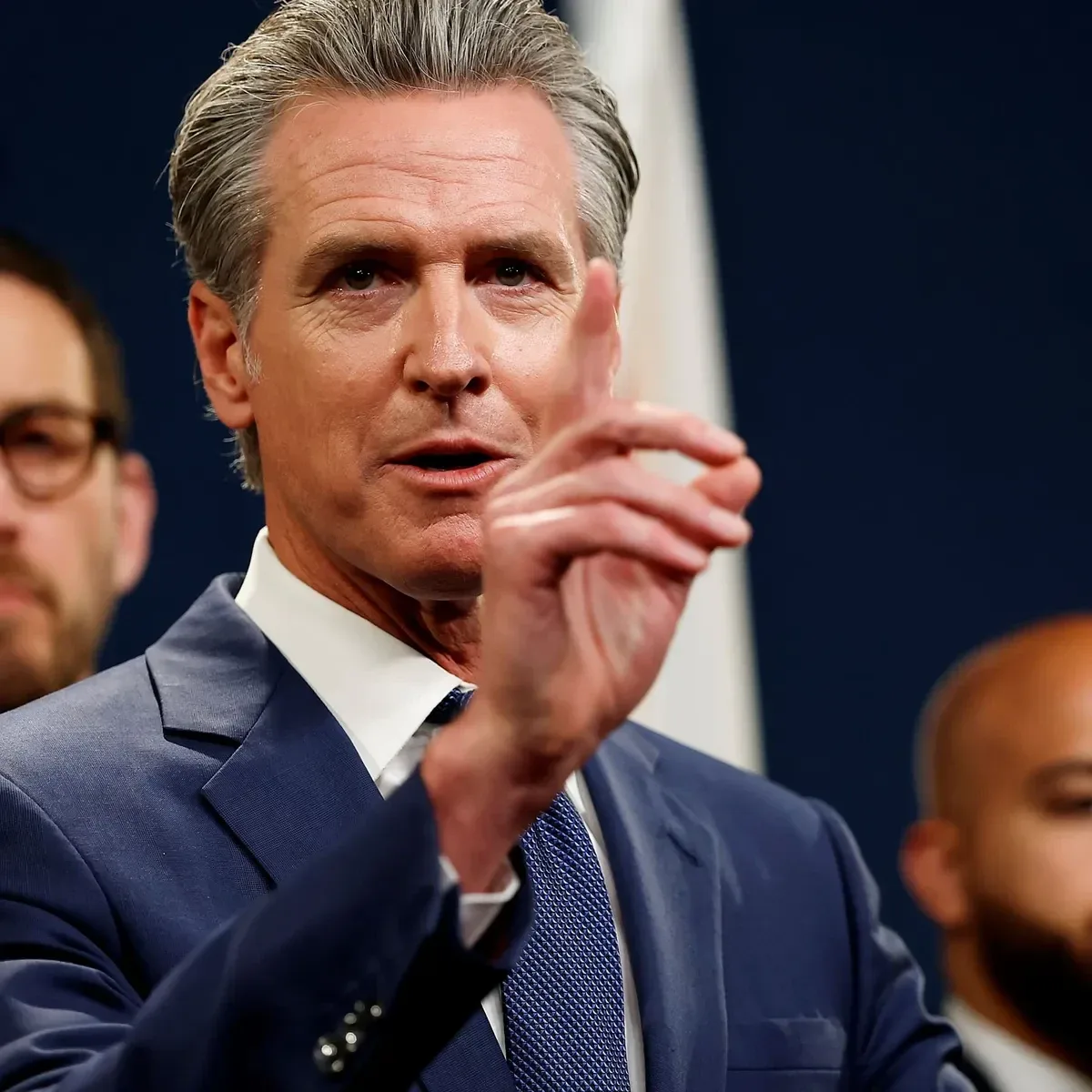
On Wednesday, California Governor Gavin Newsom signed a pair of bills designed to establish a formal process for independent third-party evaluation and audits of artificial intelligence models throughout the state. Senate Bill 813 sets out procedures by which third-party verification organizations can evaluate AI systems and models to ensure they comply with state regulations. Assembly Bill 1405 establishes a state registry of AI auditors that incorporates standards around independence, transparency and integrity aligned with existing AI safety statutes. At present, companies seeking independent assessment of their AI systems or evaluation of their oversight procedures must locate such services on their own.
The legislation's chief architect, Rep. Jerry McNerney, D-Calif., emphasized the necessity for greater scrutiny of AI models as awareness grows regarding potential harms the technology could inflict. "AI has the potential to improve our lives, but without effective guardrails, it poses significant risks," McNerney stated.
Building on California's Regulatory Leadership
While U.S. AI companies and their customers have largely avoided stringent government oversight, individual states have begun implementing their own regulatory approaches. California has positioned itself at the forefront of this effort, adopting guidelines for government use of AI in 2023 and enacting the Transparency in Frontier Artificial Intelligence Act in 2025, which mandates that developers of frontier AI systems disclose their incorporation of industry best practices and standards.
The new legislation represents California's effort to bring coherence to AI oversight mechanisms, according to Miranda Bogen, chief technologist at The Center for Democracy and Technology and head of its AI Governance Lab. The framework enables enterprises requiring third-party assessment to better understand what auditing services are available to them. "I think this is the first step in what will ultimately be a more complex ecosystem where there are more required or expected audits," Bogen told CIO Dive.
Voluntary Audits May Become Mandatory
Many organizations currently engage third-party vendors to conduct voluntary audits of their AI systems. Should mandatory auditing or testing requirements emerge in the future, establishing a foundational structure—the kind California is now constructing—would serve as a necessary prerequisite.
Third-party auditing of AI systems has the potential to strengthen confidence in the technology, benefiting both AI developers and organizations deploying these systems. Such audits could also alleviate some of the apprehension enterprises experience when developing AI technologies, Bogen noted. She emphasized that auditing proves most valuable when underpinned by established standards or clear expectations. The bills represent incremental progress toward a consistent safety framework for AI, she said. "It seems only beneficial, from an information perspective, for enterprises at this point," she added.
Federal Action Urged
During the bill-signing ceremony, Newsom called on the federal government to establish nationwide AI regulations as the technology continues advancing rapidly. "The scale and potential consequences of this technology demand sustained action from every level of government," Newsom stated.
AI provider OpenAI expressed similar views in a Wednesday blog post. The company's leadership indicated a preference for independent technical assessments to be mandated at the federal level, though it characterized California's approach as constructive. "California can help establish the rules of the road for a secure, capable national independent-assessment system that produces better safety outcomes," the company said.
Read more

TechCrunch Disrupt 2026 offers $75 passes for laid-off workers seeking their next opportunity
Those affected by recent tech layoffs can attend TechCrunch Disrupt 2026 at San Francisco's Moscone West for $75, with the discounted Expo+ Pass limited to the first 100 qualifying applicants before the event opens October 13.
How AI Created the GTM Engineer: Clay's Kareem Amin on a Rapidly Emerging Role
A position that barely existed two years ago is now appearing across technology companies. At TechCrunch Disrupt 2026, Clay's founder will explain how AI and automation are reshaping go-to-market work.

Deadline Tonight: Last Chance to Host a Side Event at Founder Summit 2026
Applications to host a Side Event during TechCrunch Founder Summit 2026 in Boston close at midnight PT tonight. The event runs November 1–7 and will draw over 1,000 tech leaders.