AI Levels the Playing Field for Smaller Multicultural Agencies
For the first time, a technological shift is not rewarding scale. A 10-person boutique and a 1,000-person firm now access identical AI tools, reshaping where innovation comes from in advertising.

Throughout three decades in the agency world, Nita Song, president and chief momentum officer of IW Group, has witnessed how technological breakthroughs typically benefit larger organizations. This time is different. Artificial intelligence platforms are available to agencies of any size, enabling small shops and massive holding companies alike to tap the same capabilities for research, workflow automation and content generation. The technology makes no distinction between them.
The shift upends a long-standing principle in advertising: bigger always wins. Historically, larger agencies commanded advantages through bigger budgets, larger teams, deeper systems and greater capacity to manage risk. Smaller competitors delivered comparable—often superior—results despite having far fewer resources. AI fundamentally changes this dynamic.
Culture Cannot Be Learned From Data Alone
As organizations adopt AI at accelerating rates, many assume the technology itself becomes the competitive edge. The reality points elsewhere. Tools will become increasingly common. What separates winners from the rest is what organizations understand that the tools cannot.
AI excels at analyzing the past. It processes what consumers clicked, bought, shared and engaged with previously. Culture operates differently. It emerges in real-time through conversations, communities and experiences not yet captured in datasets.
Multicultural agencies have never waited for data to accumulate. They grasp communities before trend reports document them. They detect behavioral shifts before dashboards register them. A language model can report what Asian-American consumers purchased last quarter. It cannot explain why a message lands differently with a second-generation Chinese-American family in Los Angeles versus a first-generation Vietnamese-American family in Houston. Machine learning cannot substitute for years of community ties, cultural knowledge and personal experience.
This distinction carries weight because multicultural consumers do not simply absorb culture—they generate it. Many trends, discussions and patterns that eventually influence mainstream marketing originate in multicultural communities long before reaching wider audiences. Detecting these signals demands something technology alone cannot supply: closeness to communities. This represents a core strength multicultural agencies already possess.
Economics Finally Favor Smaller Players
Multicultural agencies have long confronted an obstacle: demonstrating their value in language that traditional marketing departments, procurement specialists and budget frameworks could readily measure. AI offers a path forward.
Work that previously needed months of preparation now takes days. Adjusting campaigns that once demanded significant production capacity can now scale with efficiency. Creating multiple versions with cultural specificity across audiences costs a fraction of what it once did. Most critically, how value gets measured is shifting.
Better attribution systems and AI-driven analytics enable organizations to separate audience responses, track results by demographic group and tie multicultural marketing activity to business results with precision previously unavailable. For generations, multicultural agencies fought for resources using imperfect measurement tools. Now those measurement systems themselves are becoming more intelligent. The outcome extends beyond simply doing more with less resources. It means greater clarity about the value multicultural marketing has consistently delivered.
The Shift Extends Beyond Multicultural Marketing
Marketing itself is fragmenting, becoming more individualized and more culturally specific. Organizations must reach multiple groups at once, adjust messaging across different communities and build moments that feel personally meaningful. This landscape mirrors what multicultural agencies have managed for years.
They have managed multiple cultures, tongues, identities and age groups. They have bridged between communities and helped organizations grasp subtlety while spotting emerging cultural movements before they go mainstream. What once seemed like a specialized function is now becoming essential.
The genuine possibility is not merely that multicultural agencies can now compete on more equal footing. It is that capabilities built through multicultural marketing are fast becoming the capabilities all marketing requires. The sector has spent years questioning whether multicultural agencies can keep pace. That was always the incorrect framing. The genuine question—one the AI era is pushing the industry to face—is whether everyone else has been listening. AI did not generate this edge. It simply made visible an advantage that already existed.
Read more

TechCrunch Disrupt 2026 offers $75 passes for laid-off workers seeking their next opportunity
Those affected by recent tech layoffs can attend TechCrunch Disrupt 2026 at San Francisco's Moscone West for $75, with the discounted Expo+ Pass limited to the first 100 qualifying applicants before the event opens October 13.
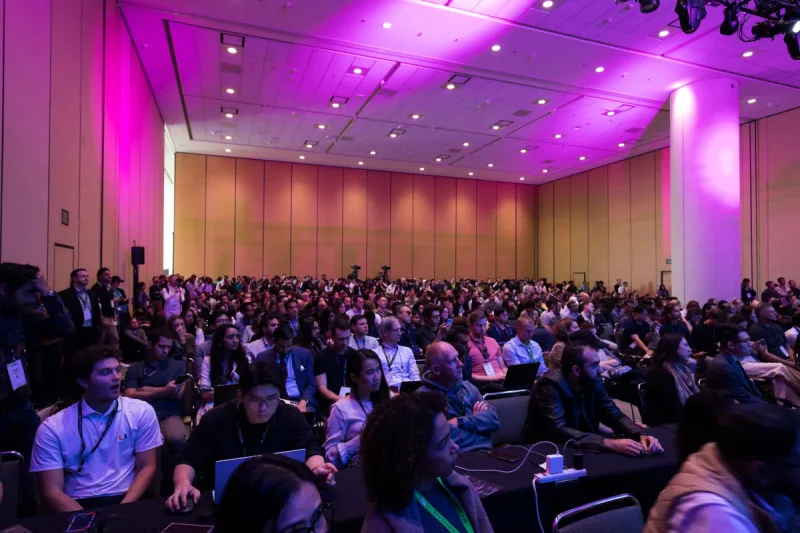
How AI Created the GTM Engineer: Clay's Kareem Amin on a Rapidly Emerging Role
A position that barely existed two years ago is now appearing across technology companies. At TechCrunch Disrupt 2026, Clay's founder will explain how AI and automation are reshaping go-to-market work.

Deadline Tonight: Last Chance to Host a Side Event at Founder Summit 2026
Applications to host a Side Event during TechCrunch Founder Summit 2026 in Boston close at midnight PT tonight. The event runs November 1–7 and will draw over 1,000 tech leaders.