Enterprise IT Teams Struggle With Observability Tool Fragmentation as AI Offers Partial Relief
A new survey reveals that most large organizations are juggling a dozen or more monitoring tools across their infrastructure, and while AI promises to help consolidate the chaos, experts warn it can introduce new complexity if not carefully managed.
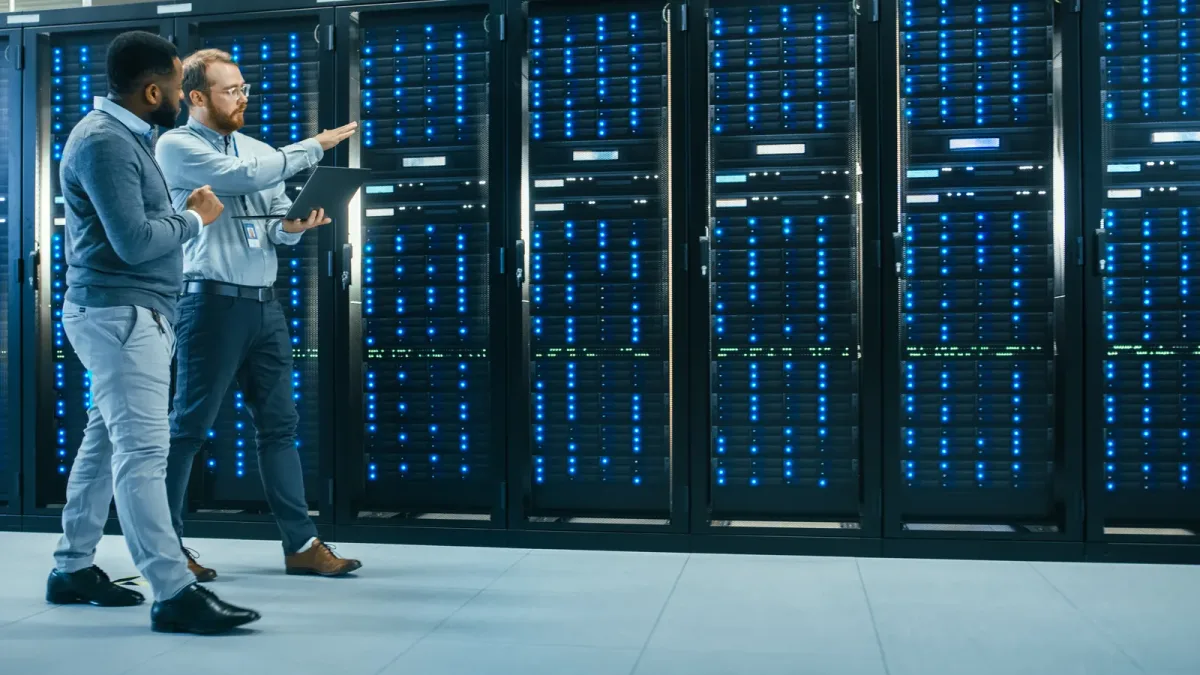
Enterprise IT departments face mounting pressure from observability tool sprawl, as different teams within organizations select and deploy specialized monitoring solutions tailored to their specific needs. Research from Enterprise Management Associates, which polled 356 enterprise IT professionals, documents the extent of this fragmentation across modern technology stacks.
The findings paint a picture of widespread tool multiplication: roughly three-quarters of surveyed enterprises operate between one and twelve separate observability tools to monitor cloud infrastructure, networks and services. Despite this proliferation, organizations are turning to artificial intelligence as a potential solution, with 32% of respondents already applying AI extensively to IT observability work.
Yet AI is not a silver bullet for the underlying fragmentation problem. Parker Hathcock, research director of ServiceOps at EMA, cautioned that while the technology can help address sprawl, "AI can help, but it also adds a level of complexity," he told CIO Dive.
The Consolidation Challenge
Bringing observability tools under unified control has become a critical business objective as enterprises pursue automated operations alongside their broader AI initiatives. The EMA report, titled "The reality of observability unification in modern IT operations," found that 62% of surveyed organizations rated tool consolidation as "very important" to their operations.
However, the research revealed a striking gap between intention and achievement: not a single organization among those surveyed had successfully implemented a "single pane of glass" by consolidating all monitoring into one platform.
Vendor Responses and Recent Moves
Technology vendors are responding to consolidation pressures by integrating AI capabilities into their observability offerings. In January, Snowflake purchased Observe, an AI-powered observability platform, to strengthen monitoring and transparency for enterprises deploying AI systems.
Cisco took a similar approach on September 15, when it rolled out new observability features for Splunk, the data, AI and observability platform it acquired in 2024. The new Splunk Agent Observability capability enables organizations to monitor AI agent performance in real time and track AI token consumption, according to company announcements.
A Strategic Approach to Unification
Hathcock emphasized that organizations should approach observability unification as a comprehensive operational transformation initiative rather than a quick technical fix. The process begins with establishing a clear baseline understanding of the enterprise landscape, including "who does what," along with existing data flows and operational processes.
The second phase involves examining workflows across fragmented IT teams to identify redundant tools, align objectives across groups and build mechanisms for data sharing between systems. AI can contribute to unification by generating insights and expanding visibility across disparate platforms, the research indicates.
Yet Hathcock warned that AI itself becomes another component requiring monitoring and oversight. If deployed without careful planning, it can paradoxically worsen tool sprawl rather than resolve it. "Taking a measured and planned road to using AI and automation is the right way to do it," he said. "Get the data straight first. Don't try to pressure yourself just to put AI in there."
Read more
Identity governance faces new test as AI agents proliferate across enterprises
Autonomous AI agents are forcing organizations to rethink how they manage access and permissions at machine speed. SailPoint's Navigate conference will explore how identity security must evolve to handle this expanding population of non-human actors.

Vertical AI and Purpose-Built Hardware Drive Next Wave of Technology Growth
Specialized AI systems tailored to specific industries are emerging as the primary engine for the next phase of technology expansion, according to insights from the Bank of America Private Tech Trailblazers Conference 2026.

CrowdStrike and CoreWeave Partner to Automate AI Security at Machine Speed
As cyberattackers breach systems in seconds, CrowdStrike and CoreWeave are embedding automated defenses throughout AI infrastructure, turning attacks into training data for faster response.