Anthropic Opens Biology Lab, Deploys Claude-Powered Robots for Research Automation
Anthropic has established a wet lab in the San Francisco Bay Area where AI-controlled robots will conduct automated scientific tasks, marking an expansion of the company's life sciences ambitions beyond drug discovery.
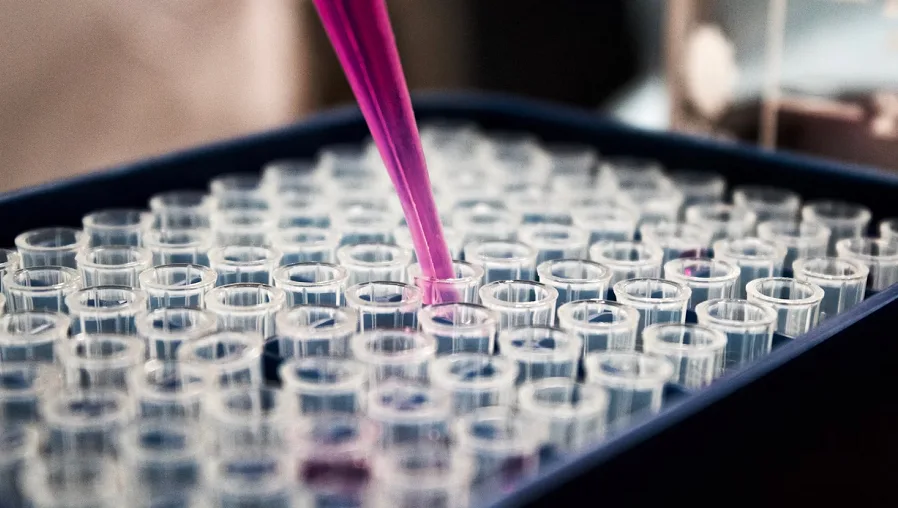
Anthropic PBC has launched a biological research facility in California's Bay Area, according to reporting from Reuters. The operation will leverage robotic systems guided by Anthropic's Claude large language models to perform automated laboratory work.
The company has not disclosed specific research directions for the facility. A spokesperson clarified to Reuters that the lab is "not for drug discovery specifically," despite Anthropic's June announcement of a separate initiative focused on developing pharmaceuticals for neglected diseases. This distinction suggests the Bay Area operation will explore multiple areas within biological research.
Anthropic recently tested Claude Mythos 5.1's capacity to design high-affinity binders—molecules that attach therapeutic compounds to disease-causing proteins. The model generated 12 candidate molecules during evaluation, achieving a 50% hit rate, a metric reflecting therapeutic viability. Standard protein design efforts typically reach hit rates between 10% and 15%.
The deployment of Claude-controlled robots at the new facility suggests use of the Model Hardware Standard, or MHS, a protocol enabling Claude to operate laboratory equipment. Beyond equipment control, MHS allows AI models to detect experimental errors, implement corrections and generate automation scripts for hardware systems.
Coordinating multiple laboratory instruments often demands precise sequencing of tasks. Researchers typically write manual scripts to determine which equipment performs which action and in what order. MHS reduces this coordination challenge to a level Claude can handle reliably.
Anthropic developed MHS in collaboration with HHMI, a Virginia-based medical research organization. Reuters reports the company intends to work with external partners on laboratory operations. In August, Anthropic indicated that HHMI and other organizations are piloting MHS-enabled Claude workflows for laboratory equipment management.
Anthropic told Reuters it is not "competing with pharma and biotech companies." This statement suggests the company may license Claude's biological discoveries to pharmaceutical firms rather than develop and commercialize treatments independently. Since drug development requires billions in investment and over a decade of development time, partnering with external organizations could streamline Anthropic's life sciences strategy.
Read more
Identity governance faces new test as AI agents proliferate across enterprises
Autonomous AI agents are forcing organizations to rethink how they manage access and permissions at machine speed. SailPoint's Navigate conference will explore how identity security must evolve to handle this expanding population of non-human actors.
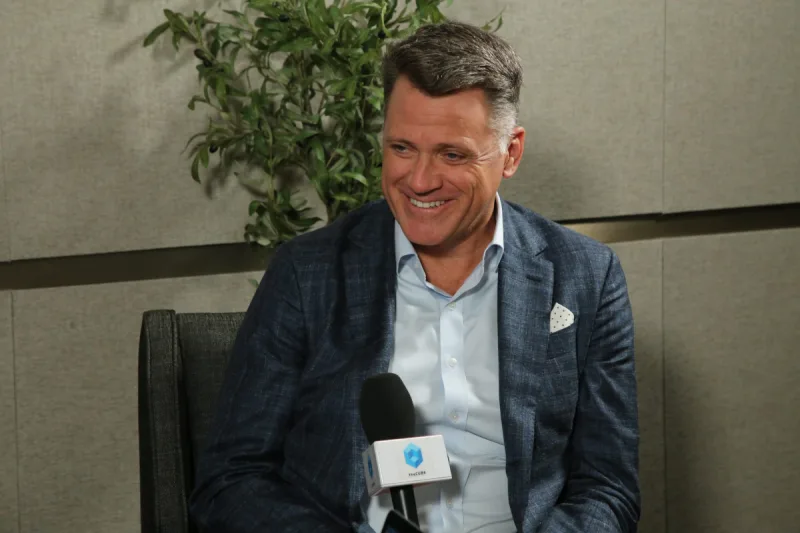
Vertical AI and Purpose-Built Hardware Drive Next Wave of Technology Growth
Specialized AI systems tailored to specific industries are emerging as the primary engine for the next phase of technology expansion, according to insights from the Bank of America Private Tech Trailblazers Conference 2026.
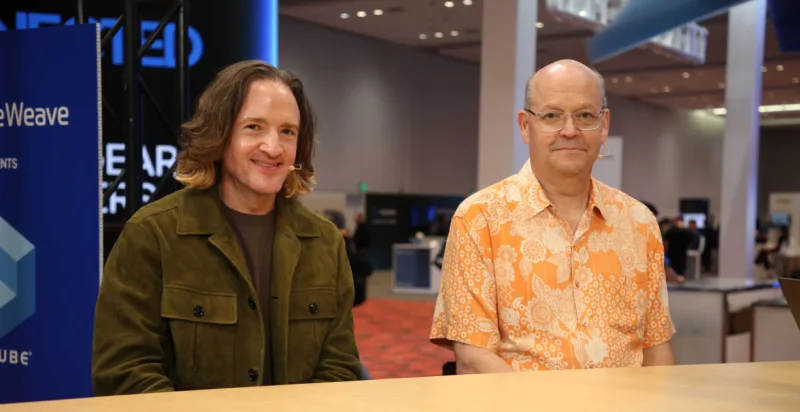
CrowdStrike and CoreWeave Partner to Automate AI Security at Machine Speed
As cyberattackers breach systems in seconds, CrowdStrike and CoreWeave are embedding automated defenses throughout AI infrastructure, turning attacks into training data for faster response.