Anthropic, Gamma, and Clay Discuss Real-World AI Deployment at Disrupt 2026
Three leaders will examine what separates successful enterprise AI implementations from abandoned pilots, exploring the gap between impressive demos and products customers actually depend on.
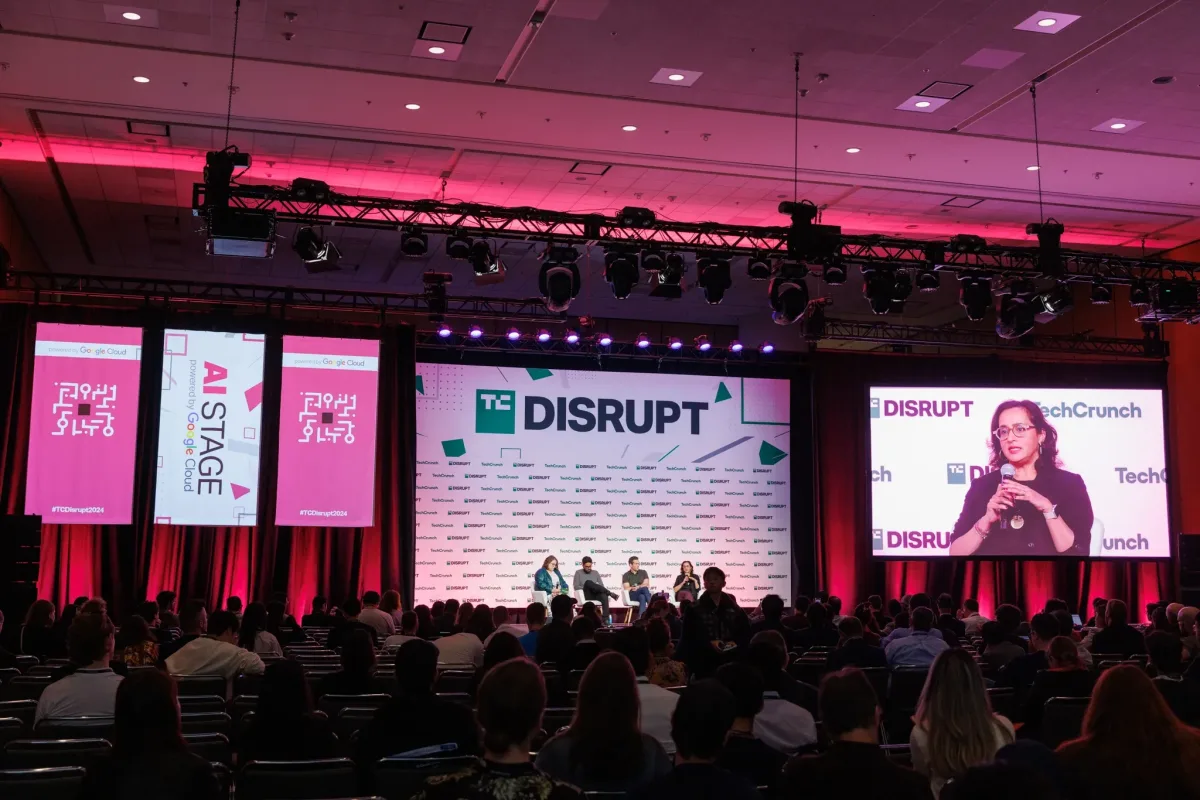
A polished five-minute demonstration of AI can be compelling. But when organizations begin integrating the technology into their actual operations, they discover whether it truly addresses their needs or becomes just another failed experiment. At TechCrunch Disrupt 2026, executives from Anthropic, Gamma, and Clay will gather on the AI Stage to discuss "What Anthropic Sees When Enterprises Actually Deploy Claude," examining both the deployment patterns that Anthropic observes across its customer base and the practical lessons that founders have learned while building AI products that gain genuine adoption.
What happens after the AI launch?
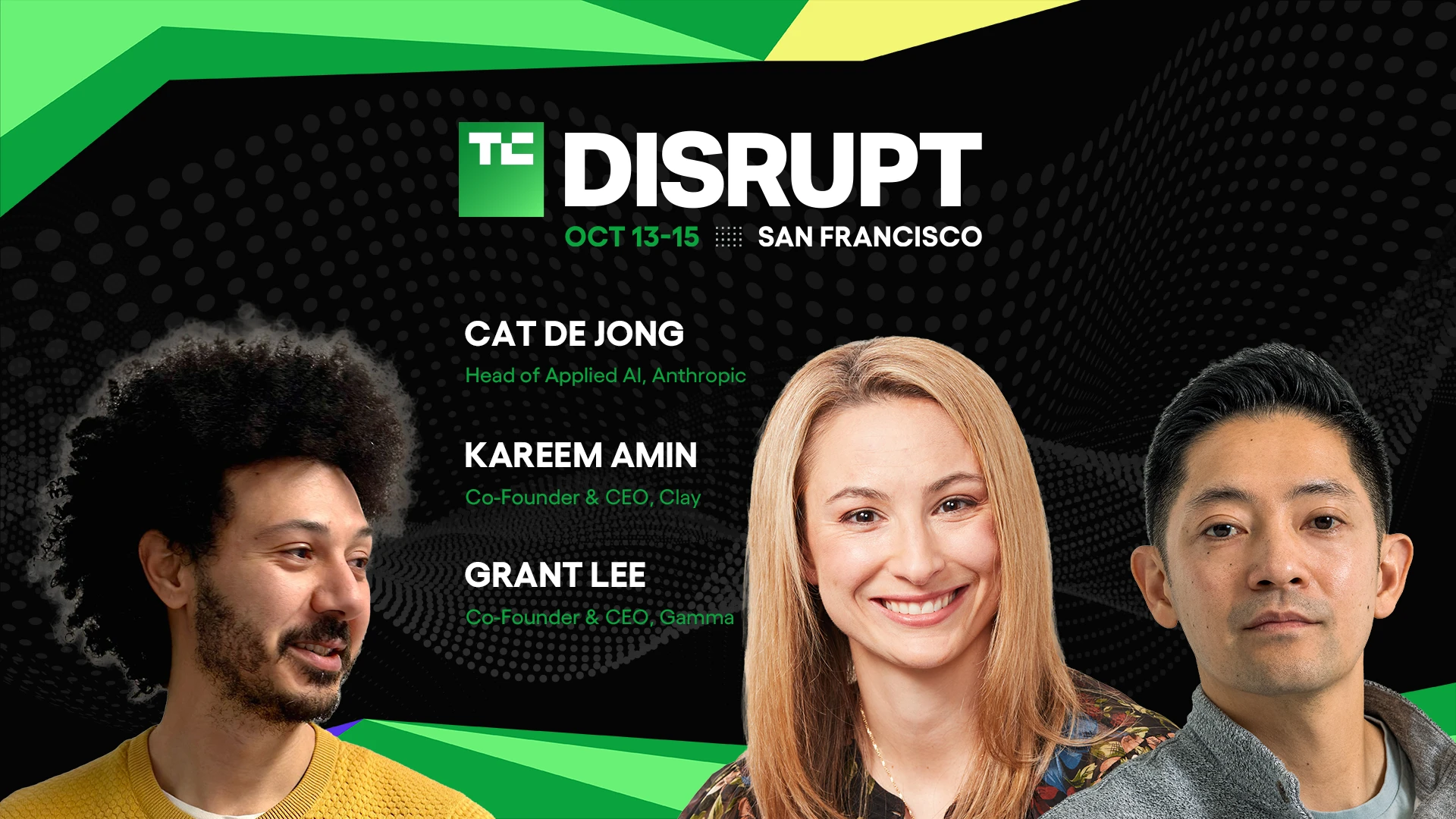
While most discussions about enterprise AI center on potential use cases, Anthropic Head of Applied AI Cat de Jong approaches the topic from a different angle: the period following deployment. De Jong collaborates directly with enterprises integrating Claude into mission-critical systems. During the conference, she will examine the conditions under which deployments thrive, where momentum falters, and what distinguishes organizations that realize tangible benefits from those still conducting pilots years later. For those marketing AI solutions to large organizations, these insights carry significant weight. De Jong's perspective provides direct evidence of what transforms AI from an experimental initiative into a critical operational tool and why certain organizations reach production while others remain stuck in testing phases.
How do you get people to use what you've built?
While Anthropic observes patterns across many enterprise implementations, Gamma Co-Founder and CEO Grant Lee contributes a different viewpoint: the internal experience of developing an AI product and driving its adoption. Gamma has evolved its AI-enabled platform from a competitor to conventional presentation tools into a more comprehensive visual communication solution. TechCrunch reported in March that the company was nearing 100 million users while expanding its AI capabilities into marketing collateral and additional visual formats. This level of user growth positions Lee to address the core questions of the session: What characteristics make an AI product valuable enough for users to return repeatedly? What shifts when customers apply it in unexpected ways? How do you transform sophisticated AI features into a product addressing genuine customer problems?
What happens when AI becomes part of the workflow?
Clay Co-Founder and CEO Kareem Amin offers the perspective of someone constructing AI functionality into how businesses identify and engage customers. Clay supplies the infrastructure needed to consolidate data, execute agentic processes, and implement go-to-market initiatives. TechCrunch reported in January that Clay was among the initial applications made available through Claude when Anthropic unveiled interactive workplace capabilities within the Claude interface, making Amin's viewpoint especially pertinent to this discussion. This positioning places Amin at the intersection of the session's central themes: identifying where AI delivers genuine value, integrating it into established processes, and understanding what occurs when organizations begin relying on it.
Together, de Jong, Lee, and Amin represent distinct perspectives on this transformation. Anthropic identifies patterns visible across numerous enterprise deployments, while Gamma and Clay test these patterns against their own observations of how customers deploy AI products in practice.
Hear what it takes for an AI product to go beyond the demo at Disrupt 2026
While a striking demonstration illustrates what AI can accomplish, the genuine challenge emerges when organizations begin relying on it. Anthropic will share insights from across enterprise deployments, and Gamma and Clay will present the founder perspective on developing AI products that users genuinely adopt. The event runs October 13–15 at San Francisco's Moscone West, bringing together more than 10,000 founders, investors, operators, and technology executives for over 200 sessions across six industry stages, roundtables, and breakout sessions with 250+ speakers, plus 300+ exhibiting startups, networking opportunities, and matchmaking.

Read more
Identity governance faces new test as AI agents proliferate across enterprises
Autonomous AI agents are forcing organizations to rethink how they manage access and permissions at machine speed. SailPoint's Navigate conference will explore how identity security must evolve to handle this expanding population of non-human actors.
Vertical AI and Purpose-Built Hardware Drive Next Wave of Technology Growth
Specialized AI systems tailored to specific industries are emerging as the primary engine for the next phase of technology expansion, according to insights from the Bank of America Private Tech Trailblazers Conference 2026.
CrowdStrike and CoreWeave Partner to Automate AI Security at Machine Speed
As cyberattackers breach systems in seconds, CrowdStrike and CoreWeave are embedding automated defenses throughout AI infrastructure, turning attacks into training data for faster response.