Alphabet's Isomorphic Labs Secures $5B to Scale AI-Powered Drug Discovery Platform
Greenoaks and Sequoia Capital led a $5 billion funding round for Isomorphic Labs, Alphabet's AI drug discovery unit, which operates a software platform designed to accelerate the identification of drug targets and molecular compounds.
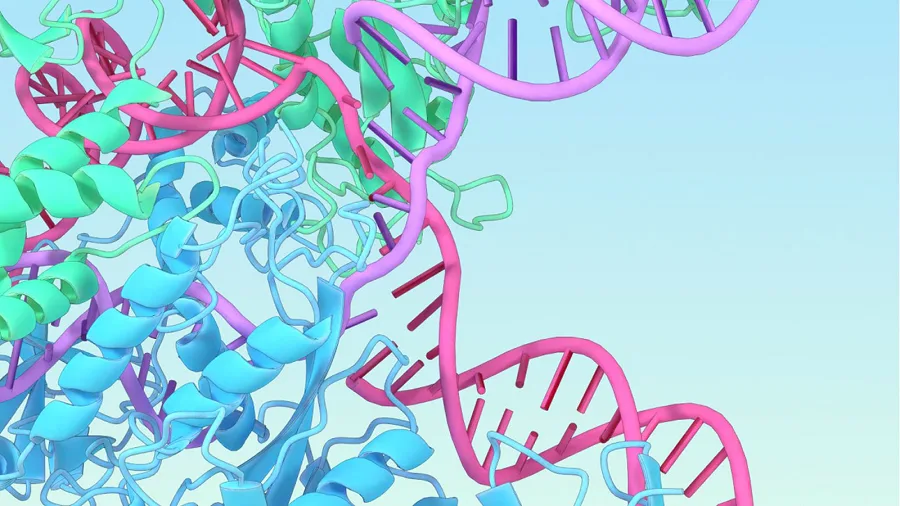
Isomorphic Labs Ltd. announced the completion of a $5 billion funding round, with Greenoaks and Sequoia Capital serving as lead investors. The round included participation from more than six additional backers, alongside Isomorphic's parent company Alphabet Inc., which contributed what it characterized as a "significant investment" through its GV and CapitalG venture funds.
The company operates the Isomorphic Labs Drug Design Engine, known as IsoDDE, a software system that leverages artificial intelligence to streamline multiple stages of pharmaceutical development. According to Isomorphic, several major drug makers have already integrated IsoDDE into their discovery operations.
How the Platform Works
Pathogenic organisms like viruses contain many proteins, each performing distinct biological functions. Pharmaceutical treatments work by disabling a single critical protein that the pathogen depends on for survival. Creating a new drug demands that researchers identify a vulnerable protein target and then engineer a molecule capable of neutralizing it effectively.
The initial phase involves determining the three-dimensional structure of a target protein and locating binding pockets—small indentations on the protein surface where drugs can attach. This task presents significant complexity because proteins lack rigid structures; their shapes shift as they interact with other molecules or respond to environmental changes.
Isomorphic claims that IsoDDE accelerates the identification of binding pockets and can help researchers design compounds that induce a target protein to create such pockets when none naturally exist.
After identifying a binding pocket, scientists must determine how to attach a drug molecule to it. The pharmaceutical sector traditionally relies on a technique called FEP, or free energy perturbation, which can demand substantial computational resources and typically requires a detailed three-dimensional protein model. Creating these models involves crystallizing a target protein and imaging it with specialized X-ray technology—a labor-intensive process.
IsoDDE bypasses this crystallization step entirely. Isomorphic further contends that its platform produces superior results compared to conventional FEP algorithms.
Next Steps
Our drug design engine is generating molecules with unprecedented precision and speed. This round enables us to accelerate our progress: building foundational biology models, deepening our systemic disease understanding, and driving our first therapeutic programs towards clinical trials.
Isomorphic Chief Executive Demis Hassabis
The company intends to invest in new bioengineering infrastructure and expand its network of pharmaceutical partners.
Read more
Anthropic Researcher Claims Claude Proved the Riemann Hypothesis
Levent Alpöge, a researcher at Anthropic, announced he used Claude to prove one of mathematics' most significant unsolved problems, though the company has not officially confirmed the breakthrough.

Beyond Token Prices: Why Enterprise AI Cost Accounting Demands a Deeper Look
Companies pursuing multi-model AI strategies are discovering that token pricing alone masks the true cost of AI deployment. New data shows task efficiency and user consumption patterns drive the real bill.

Anthropic's IPO Surge Masks Broader AI Market Jitters as OpenAI Waits in the Wings
Anthropic's initial public offering delivered a solid 17% first-day gain, but the move may have signaled caution rather than momentum across the AI sector, with broader market concerns weighing on technology stocks.