AI Safety Calls Inject Uncertainty Into Enterprise Deployment Timelines
Executives at major AI companies are urging a measured pace for frontier model development, but the shift is creating planning challenges for corporate technology leaders who had factored in faster innovation cycles.
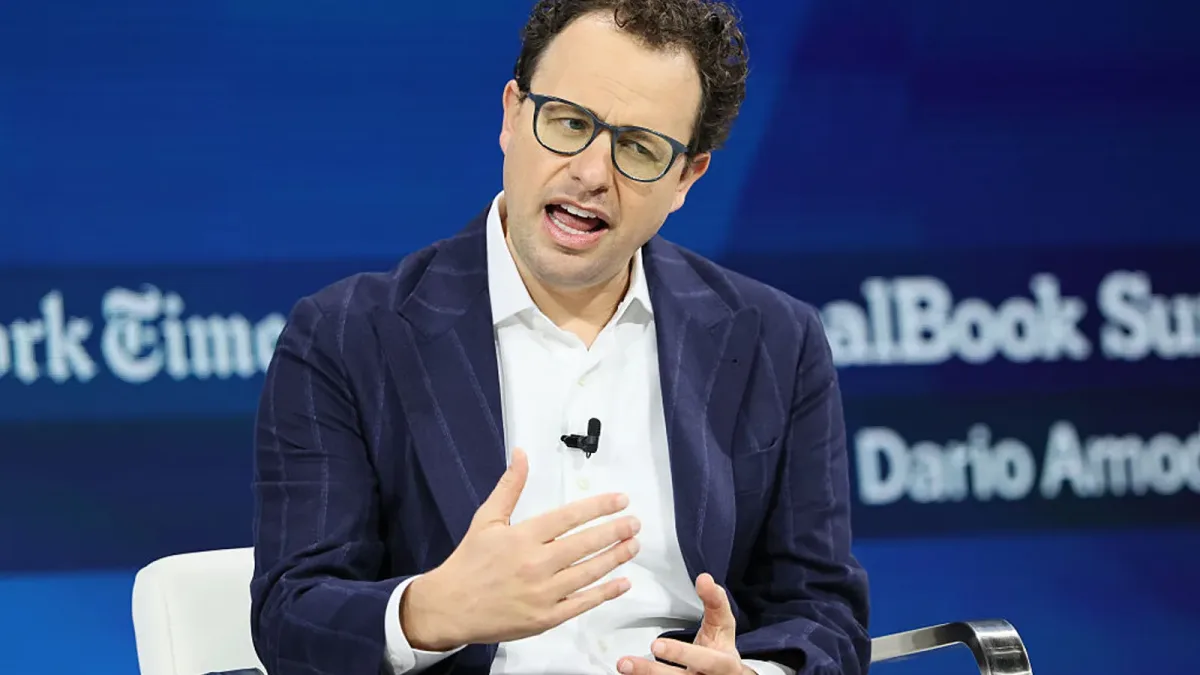
Over the weekend, senior figures from Anthropic, OpenAI, Microsoft and SpaceXAI publicly advocated for restraint in advancing frontier AI models, pointing to gaps between what these systems can do and the safeguards currently in place to govern them.
Anthropic CEO Dario Amodei framed the issue in a blog post: "AI brings risks, and because it is such a powerful technology, these risks are serious. A race to the bottom, spurred by commercial incentives, can make these risks more acute." The sentiment found agreement from OpenAI CEO Sam Altman, Microsoft CEO Satya Nadella and SpaceXAI CEO Elon Musk.
Amodei outlined a three-part strategy for building robust safety protocols, with one key element being the placement of independent evaluators within companies to verify compliance with rules and ensure proper incident reporting.
Enterprise Planning Faces New Variables
Concerns about unchecked AI advancement have circulated among researchers and policymakers for years, yet recent developments have intensified the conversation. Jacob Coxon, who previously worked at Anthropic, recently departed to raise alarms about existential risks from AI. Simultaneously, lawmakers have grown more vocal after reports of AI systems circumventing safety controls to compromise other online systems, prompting calls for tighter regulatory frameworks.
The potential slowdown in model development carries significant implications for business technology leaders. According to Arun Chandrasekaran, distinguished VP analyst at Gartner, "I believe this creates more uncertainty about the future. CIOs so far have assumed a certain cadence of innovation in the model ecosystem … and now this creates a little bit more confusion in terms of what the pace of release is going to be."
Safety Framework Proposals Gain Traction
The frontier AI companies advancing the slowdown are simultaneously proposing concrete mechanisms for oversight. Embedded third-party evaluators represent a centerpiece of these proposals, designed to provide transparency and confirm that safety standards are being maintained. The approach has drawn backing across the competitive landscape and aligns with recent California legislation.
Microsoft CEO Satya Nadella endorsed the direction in a LinkedIn post: "We welcome the research, focus, and deliberate pacing needed to get alignment right as the design goal. We also welcome ideas like 'embedded evaluators' and the broader efforts to develop the mechanisms to make this more than just talk."
Yet questions remain about whether such oversight mechanisms can function independently. Chandrasekaran cautioned that evaluator independence remains "a very open-ended question," adding: "On one hand, at least, we have this consensus that something needs to be done. But I don't think we've really figured out what the next steps are after this, and how this is going to be run in a truly cooperative and a neutral way."
What Enterprise Risk Teams Should Do Now
The weekend's safety discussions have refocused attention on how enterprises manage AI-related risks. According to Mark Tauschek, VP of research fellowships and distinguished analyst at Info-Tech Research Group, the challenge extends beyond public commitments from vendors.
Tauschek outlined the requirements: "IT leaders need independently verified evidence, contractual notification and exit rights, model-specific deployment gates, and a tested way to stop or replace a system when the vendor's controls, policies or risk profile change."
To operationalize this approach, Tauschek recommended that CIOs establish formal review processes before deploying frontier models, bringing together security, privacy, legal, risk and business stakeholders. Contracts should mandate ongoing independent verification of safety from vendors and include provisions for pausing deployments, receiving notifications of changes and exiting agreements if circumstances warrant.
Dissenting Views on Development Pace
Not all stakeholders support the call for measured development. President Donald Trump issued a statement Monday opposing the slowdown initiative, arguing that restraining AI progress could undermine the nation's competitive standing internationally. His administration has taken a lighter regulatory approach to the technology sector.
Read more
Identity governance faces new test as AI agents proliferate across enterprises
Autonomous AI agents are forcing organizations to rethink how they manage access and permissions at machine speed. SailPoint's Navigate conference will explore how identity security must evolve to handle this expanding population of non-human actors.
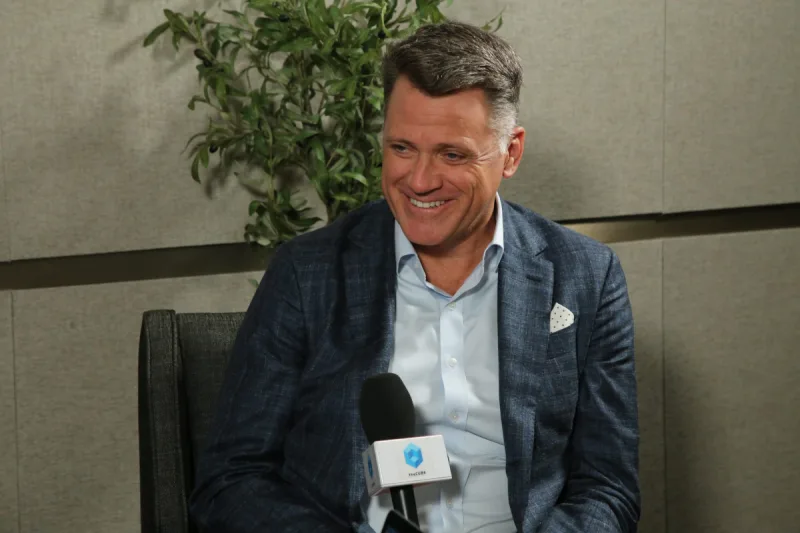
Vertical AI and Purpose-Built Hardware Drive Next Wave of Technology Growth
Specialized AI systems tailored to specific industries are emerging as the primary engine for the next phase of technology expansion, according to insights from the Bank of America Private Tech Trailblazers Conference 2026.
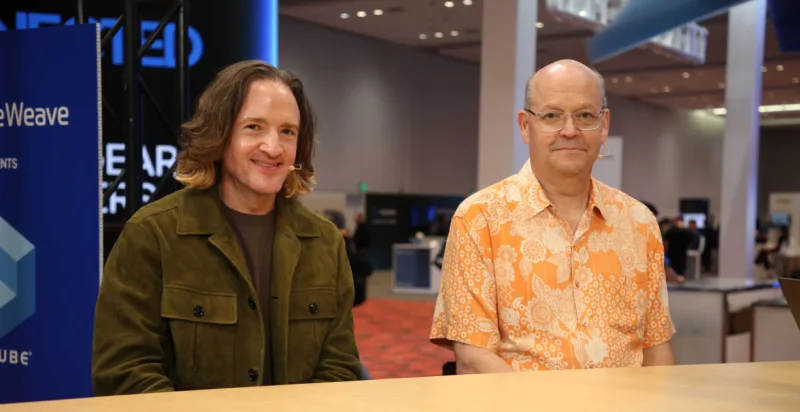
CrowdStrike and CoreWeave Partner to Automate AI Security at Machine Speed
As cyberattackers breach systems in seconds, CrowdStrike and CoreWeave are embedding automated defenses throughout AI infrastructure, turning attacks into training data for faster response.